Sunday, sad Sunday

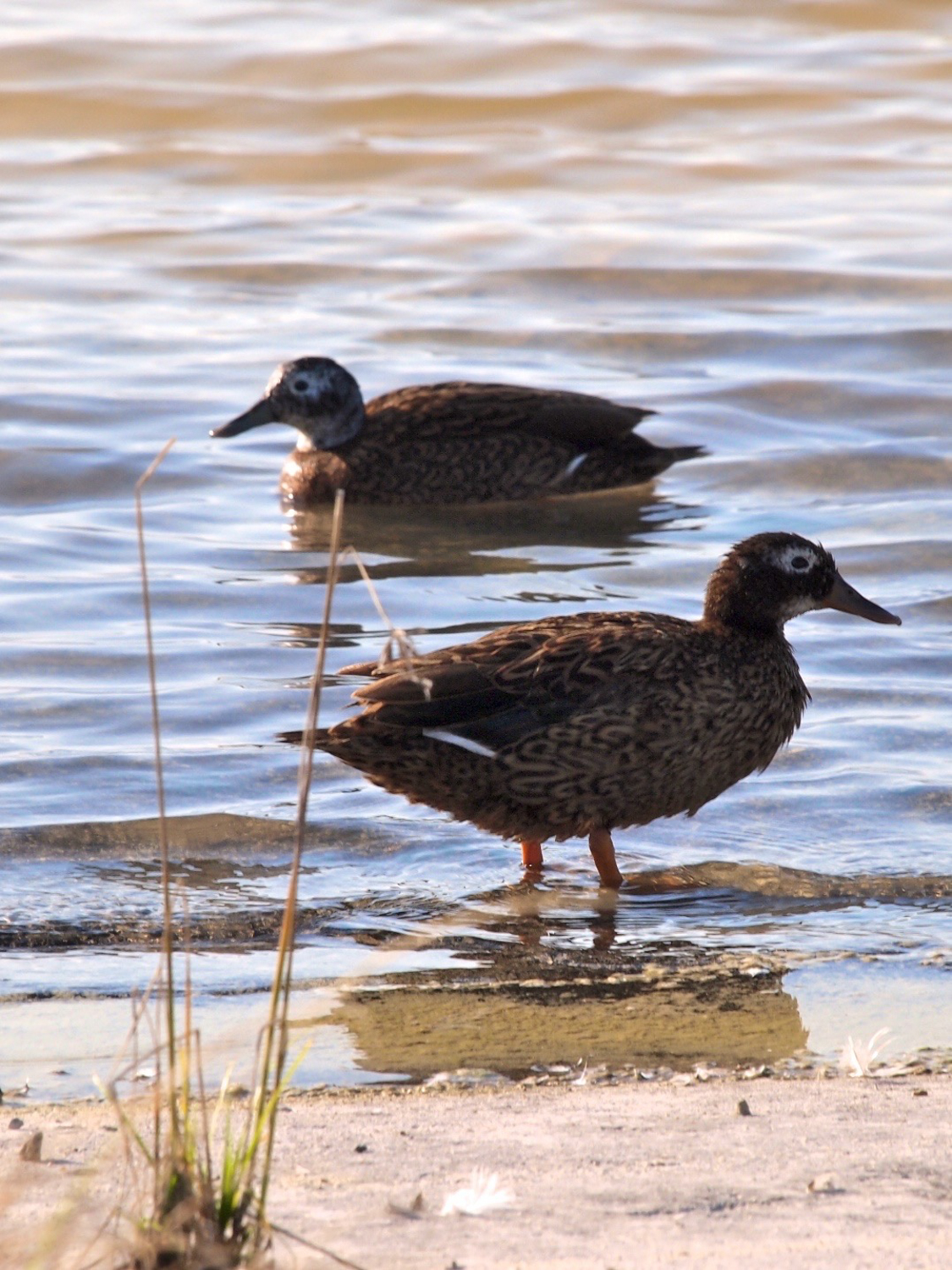
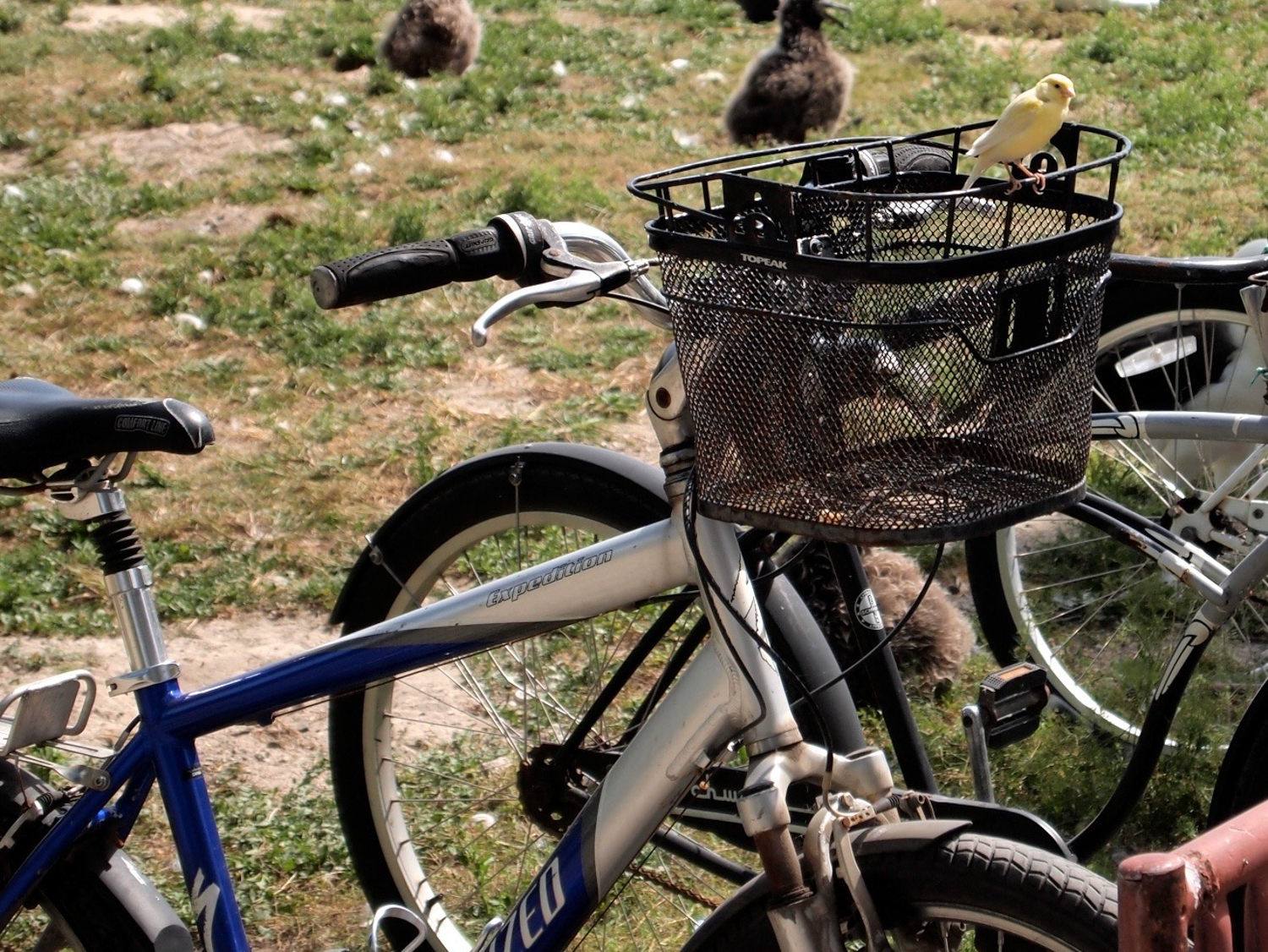
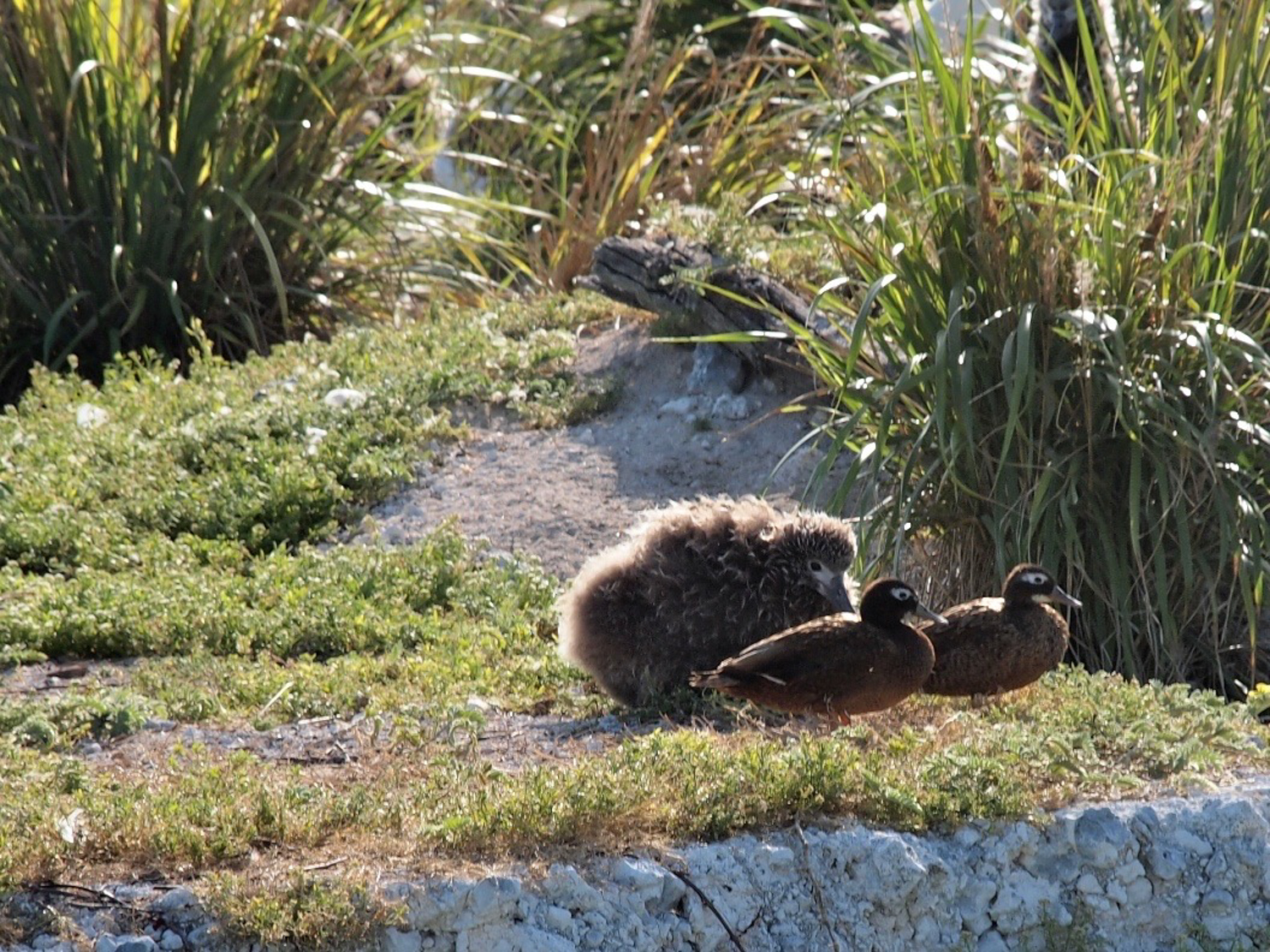
Today we spend our final full day in Midway.  Wayne and I started on email, which was faster than last night, and got some electronic things done.  After putting on sunscreen, rain jackets and a hat, we headed out on our bicycles to tour the island pre-brunch.  We went over to the water point first, going down the back roads and over the one hill on all our trails.  Some nice shots had there, including the one of the Laysan ducks above.  You cannot approach them, however, when you sit down on the ramp near the pond, the ducks get curious and come to visit.  Great early morning photography!

Then we continued around the airfield, making it almost to Bulky Dump when the rear tire on my bicycle blew.  We walked the mile back to transportation, which was locked, and continued on towards camp.  Luckily Janice and her husband (he works here as a 3 month volunteer) came along, and took the bike back to transportation for us.  Our naturalist Wayne (imagine his confusion every time I call for my Wayne) had a spare, luckily, so no worries for the rest of the day.

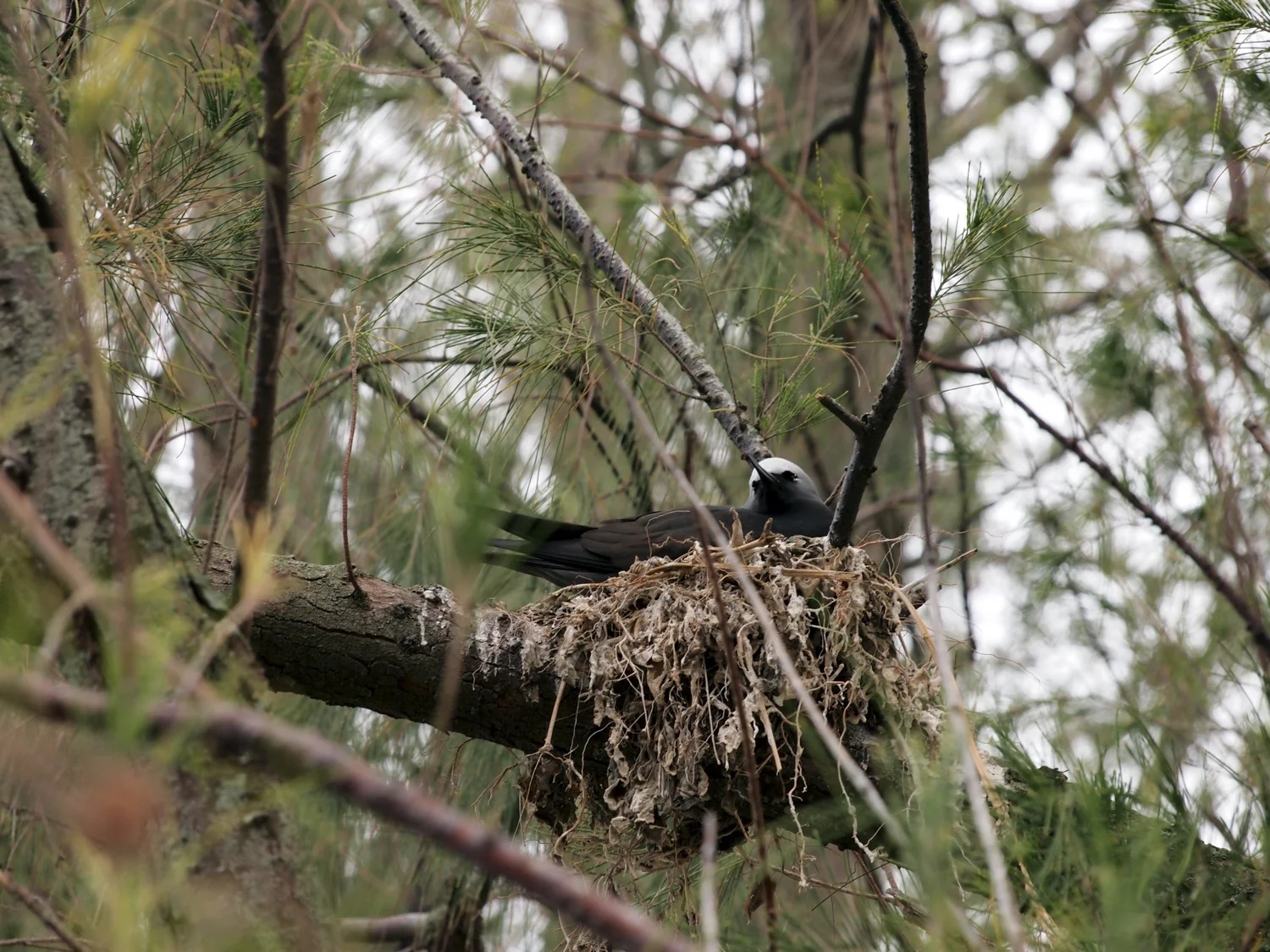
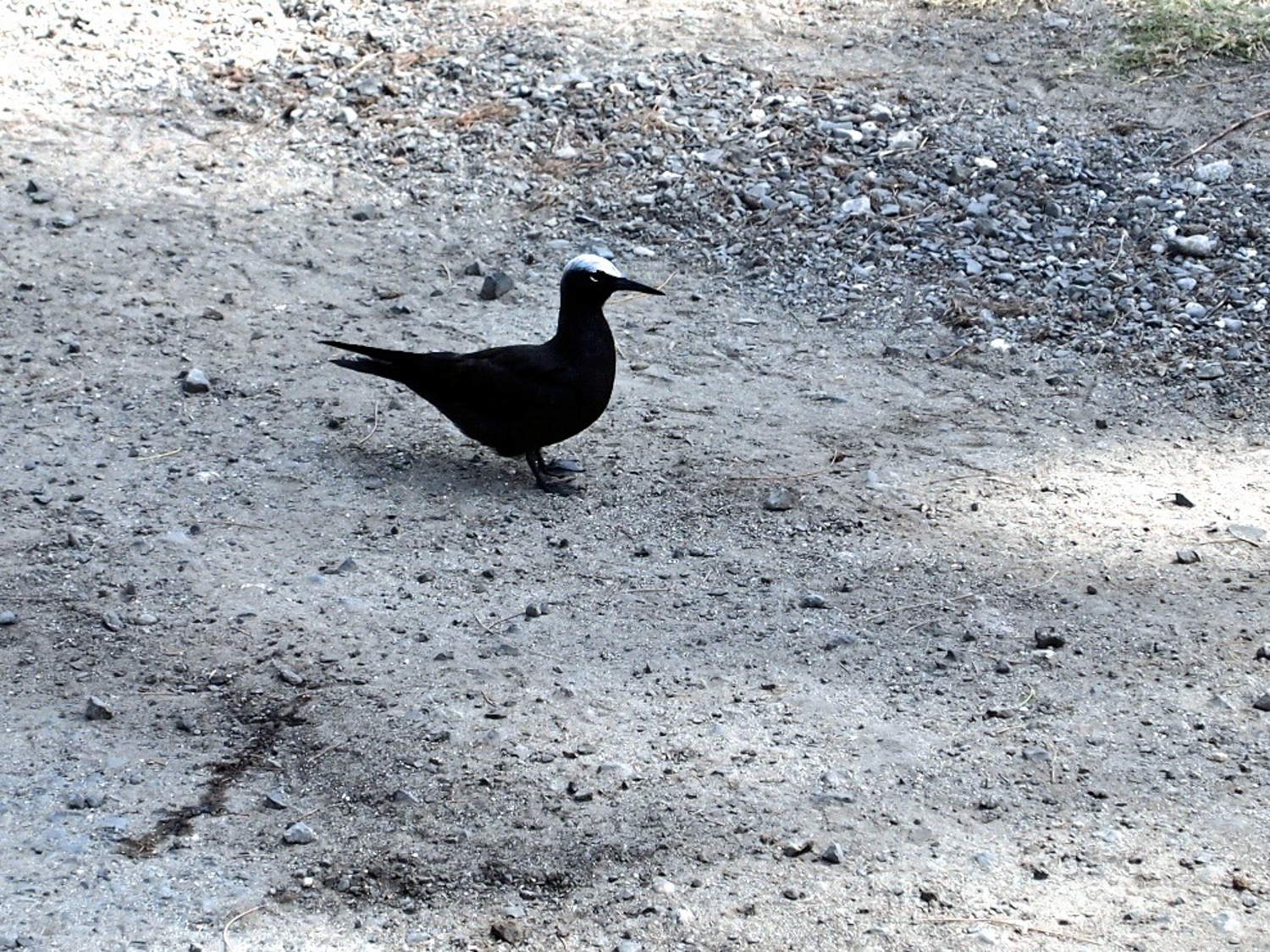
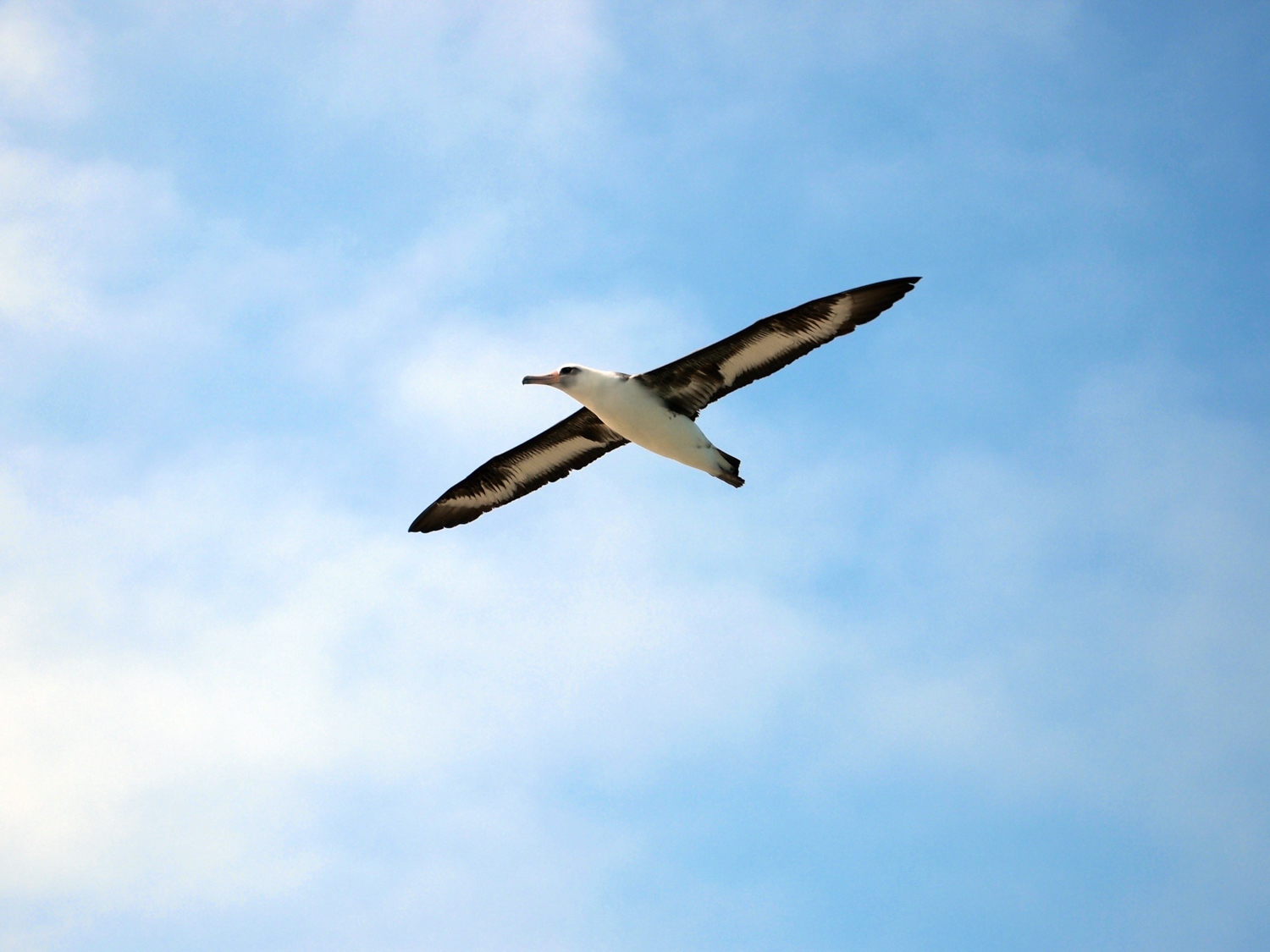
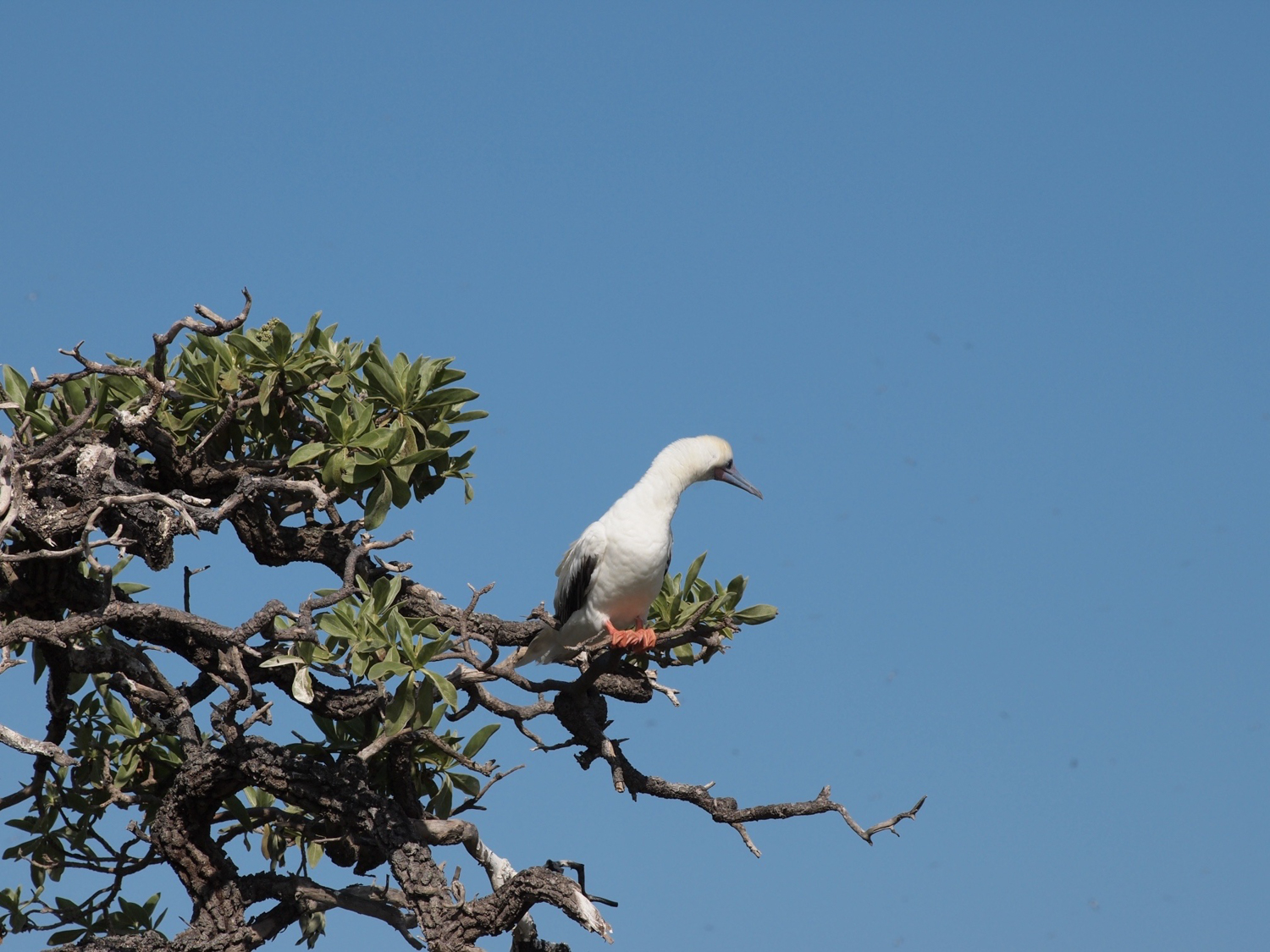
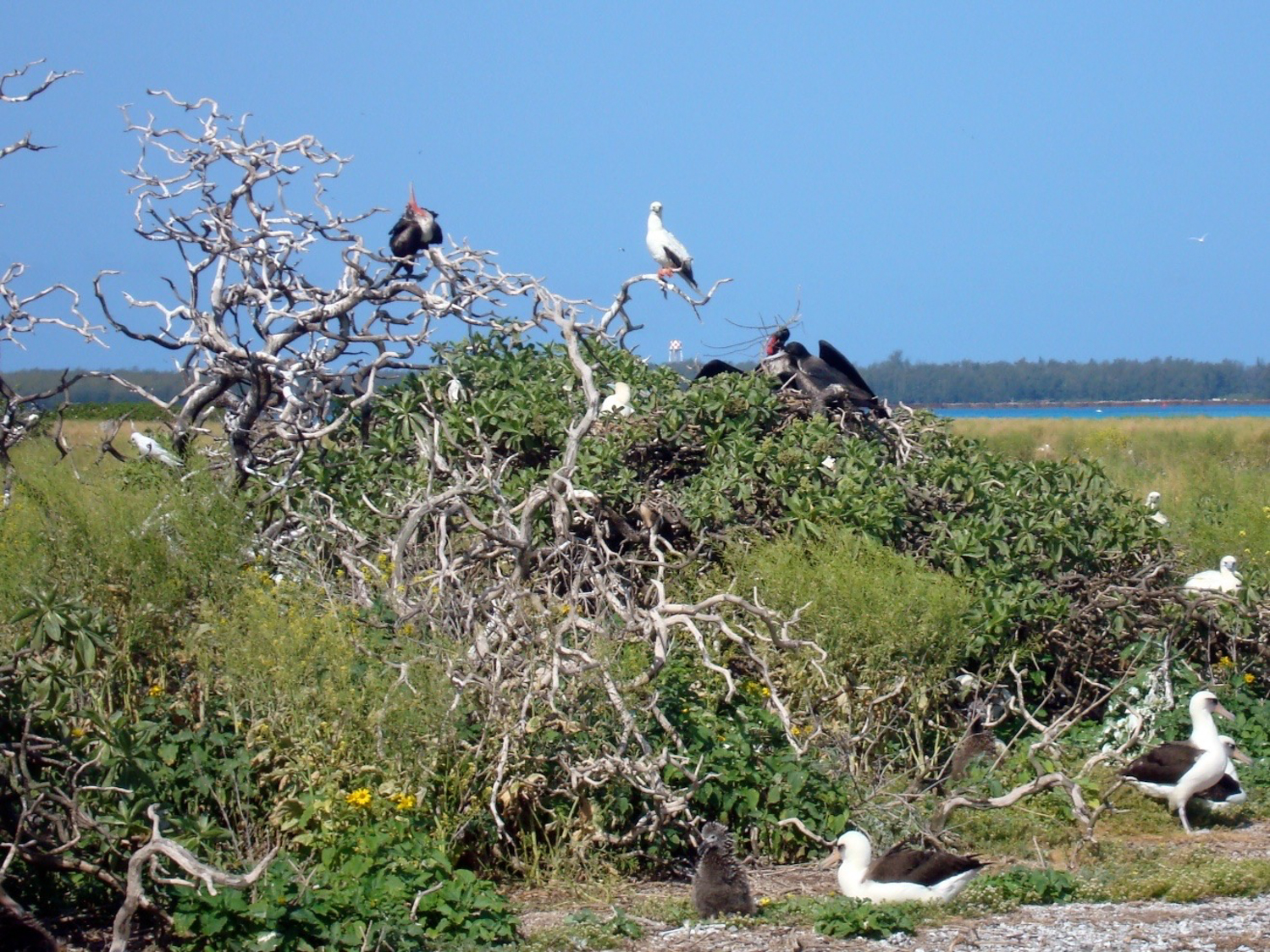
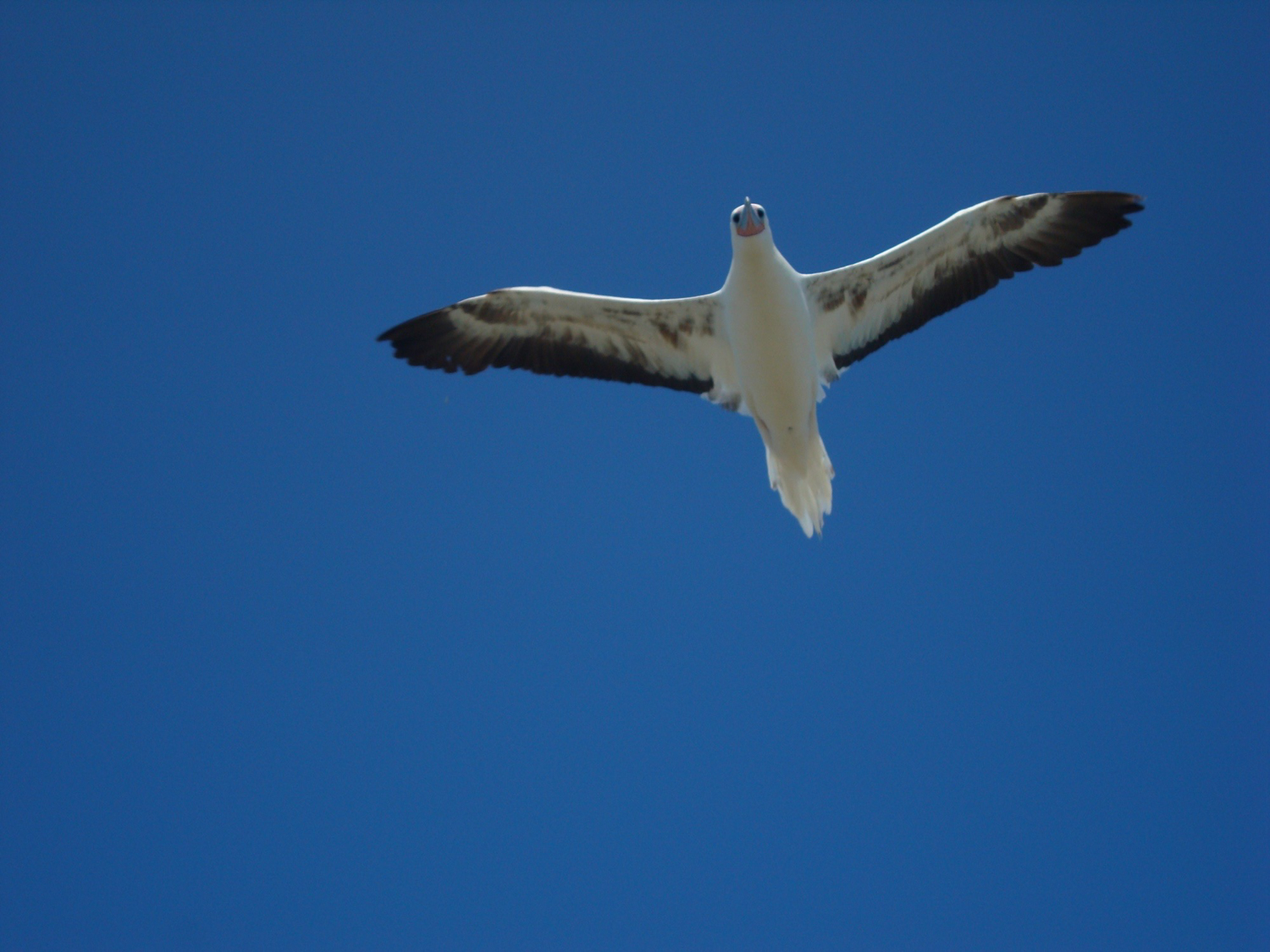
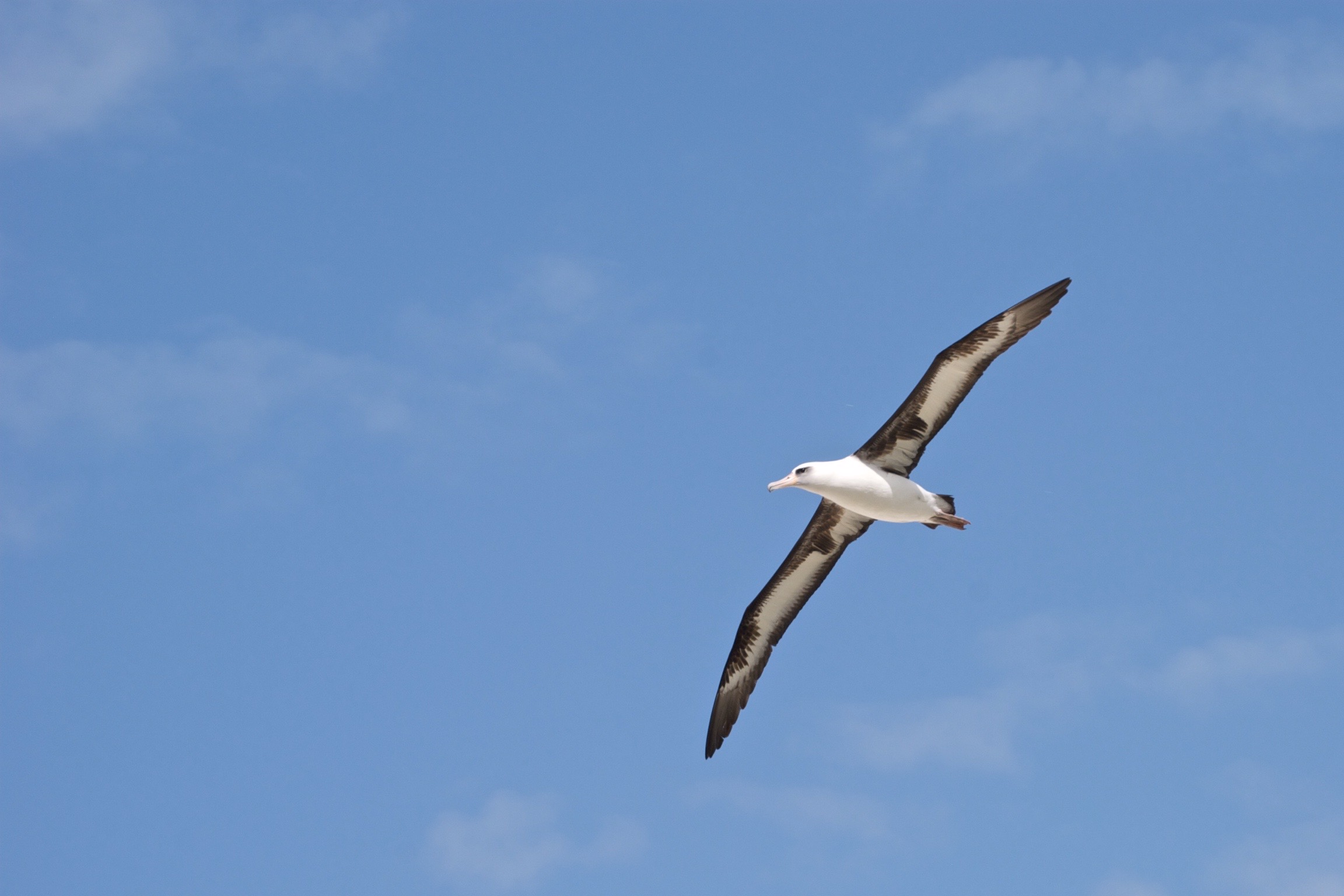
After brunch, we reconvened, and rode our bikes back to the airfield, following the two golf carts.  We’ve found that we much more enjoy riding on our bikes than the carts while here, it has been fun!  We walked along a trail we had not taken before that goes towards West Beach, paralleling it in the beginning.  Lots of brown and black noddys, red-footed boobys, white terns, and albatross.

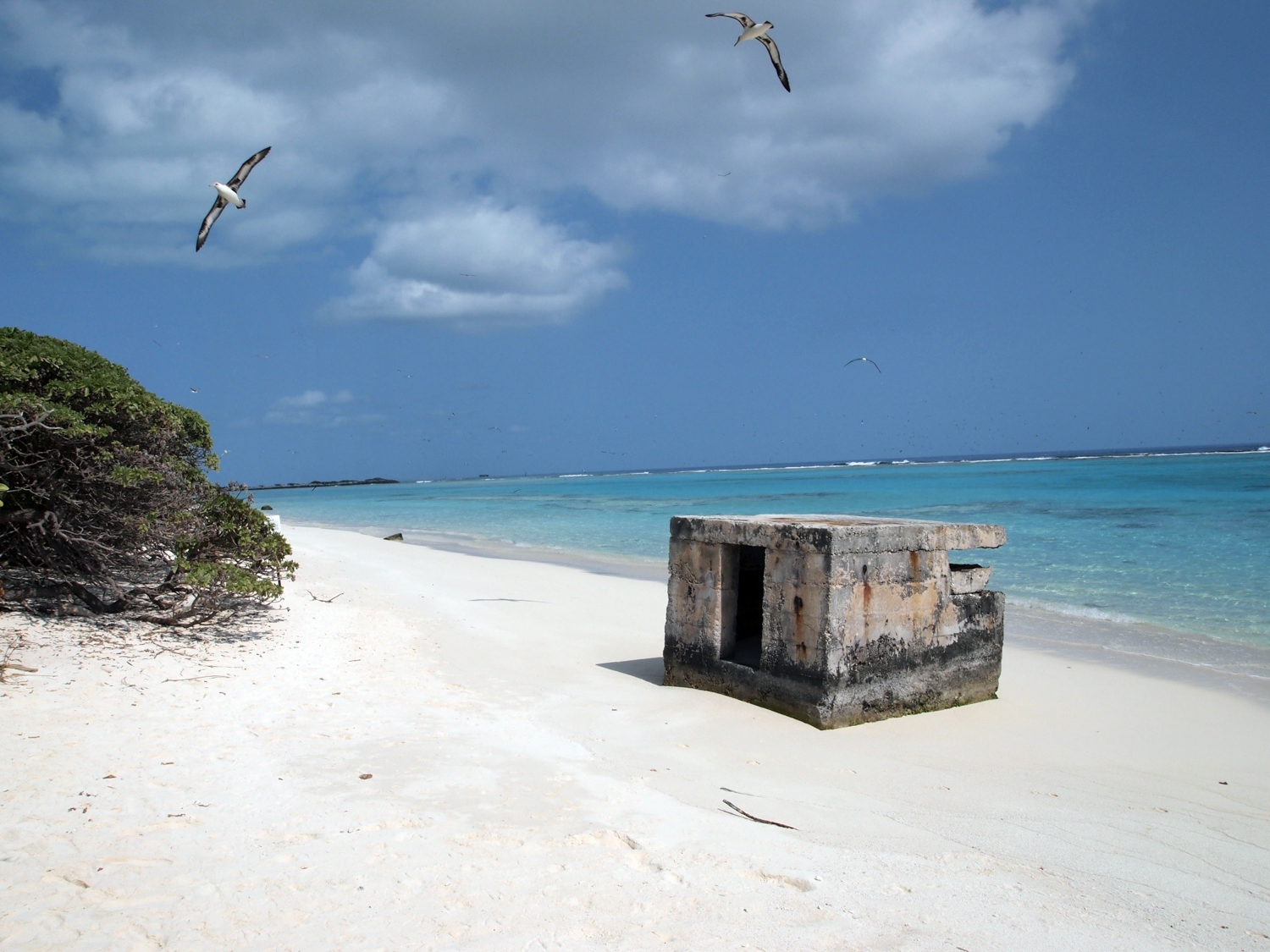
From there, across the airfield to see Bulky Dump, the pillbox, an old ammunition storage bunker, and a few other overlooks Wayne and I had already discovered.  Then (after a water/personal break at the Fish and Wildlife offices), we headed to the far side of the finger piers, going down trails and to another duck weep.

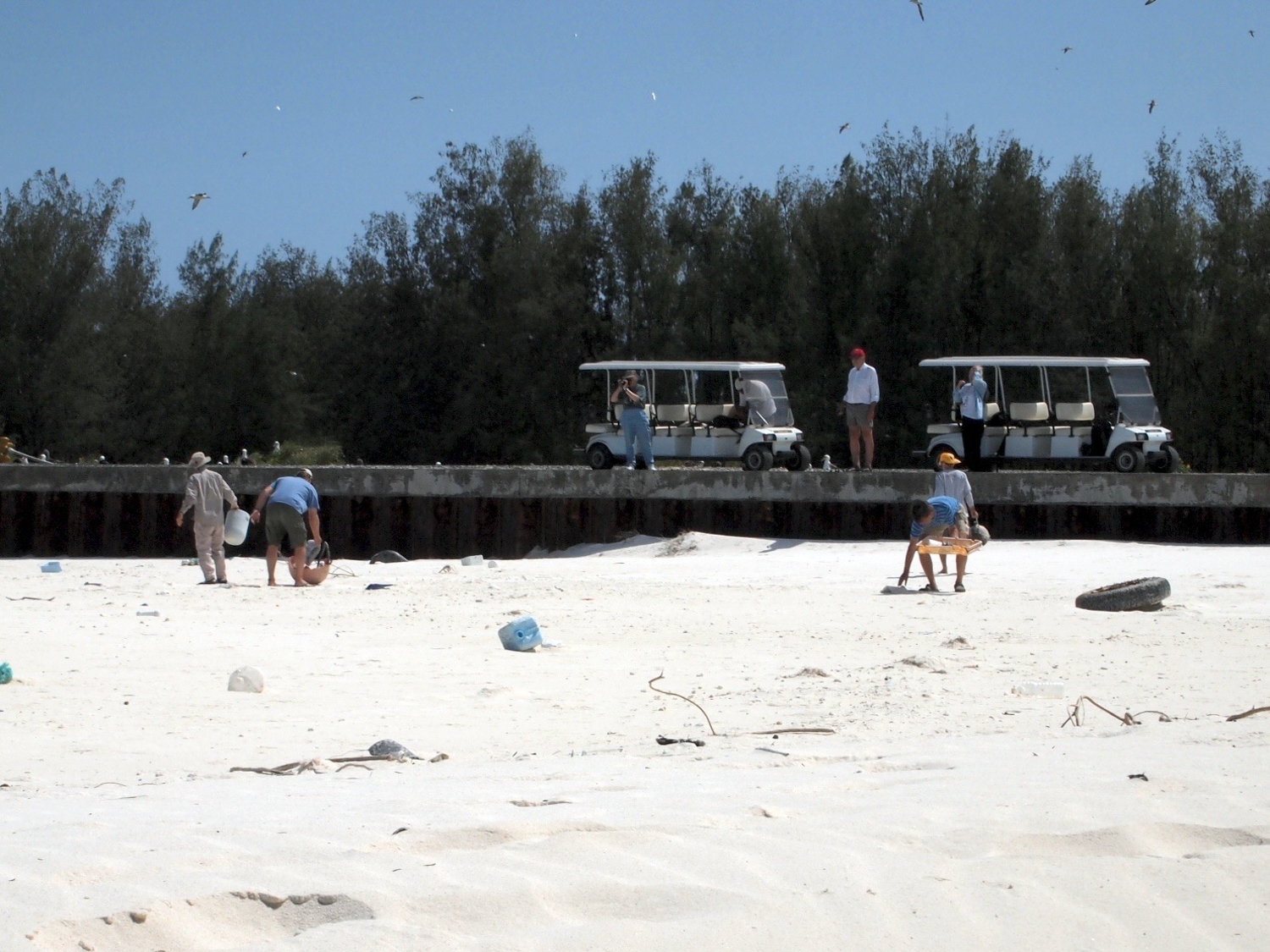
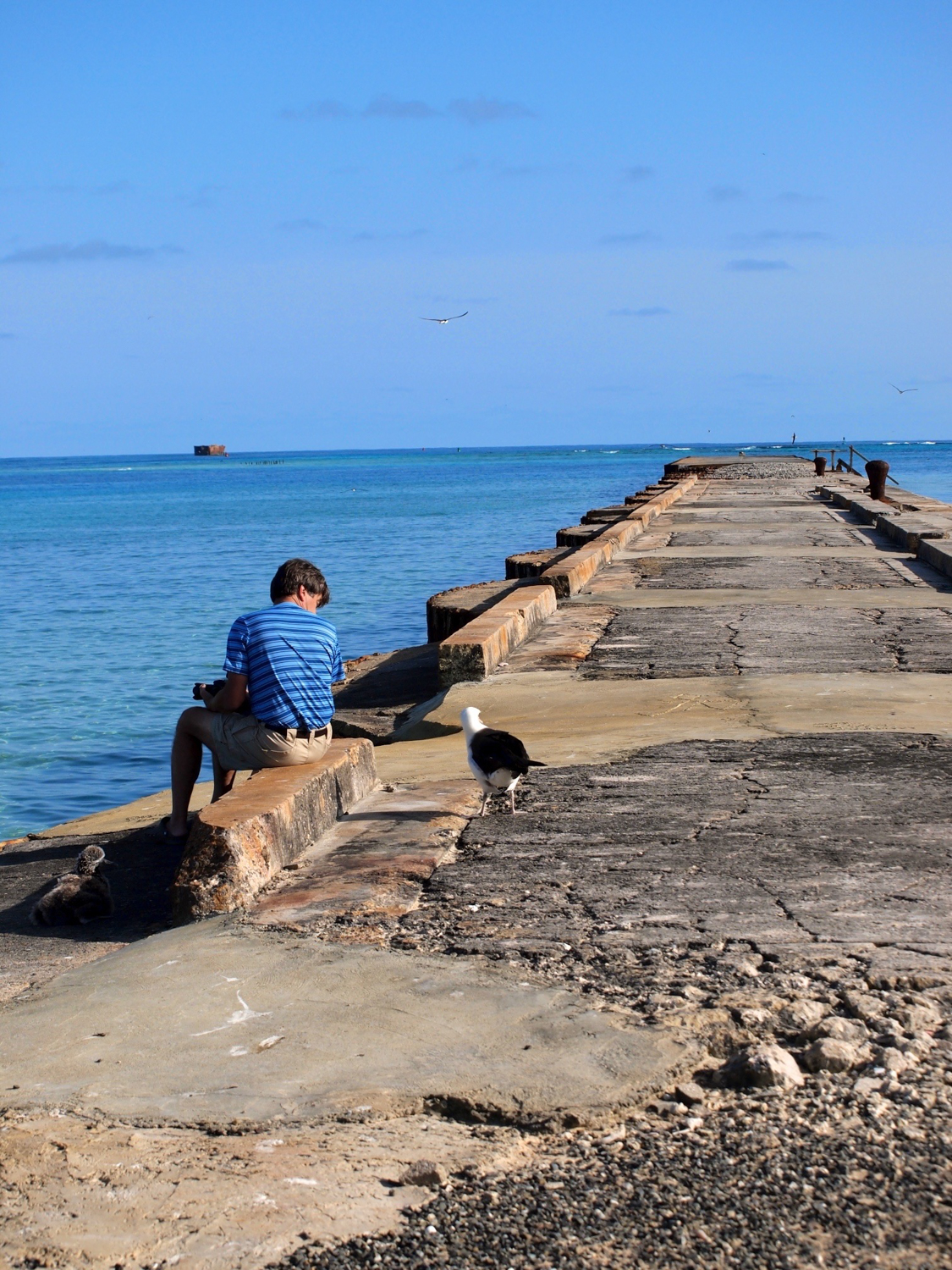
Once we were done here, it was back to the cargo pier for a beach cleanup.  As it was miserable mid-day sun, I hid under the pier and discovered at least 100 pounds of junk, both plastic and abandoned/lost nets.  We had quite a take as a group.

As we went home, my left heel was throbbing.  I had taken some sort of thistle in the heel while on Eastern island, which apparently has an irritant in it to which I am allergic.  Note to self:  buy hiking boots 8 years from now for use on Eastern island!  So, we abandoned evening activities in favor of a compress on my heel, and some Nero Wolfe.  All in all, we biked/walked for about 7 hours, very much worth the final frozen custard cone!

Eastern Island

Midway is a coral atoll six miles in diameter with three islands--Sand, Eastern and Spit - named for its position midway between San Francisco and Tokyo. Eastern island is triangular in shape, about a mile and a quarter long by

three--quarters of a mile wide, approximately 334 acres of nesting birds. Eastern island uninhabited and accessible only when accompanied by Fish and Wildlife or National Marine Fisheries Service staff.

Eastern Island Airstrip is a disused airfield in use by US forces during the Battle of Midway,

June 4-6, 1942.

The location of Midway in the Pacific became important to the military as a convenient refueling stop on transpacific flights, and was also an important stop for Navy ships. Beginning in 1940, as tensions with the Japanese

were rising, Midway was deemed second only to Pearl Harbor in importance to protecting the U.S. west coast. Airstrips, gun emplacements and a seaplane base were quickly established, the channel between Sand and Eastern islands was widened, and Naval Air Station Midway was completed along with an important, classified submarine base.

Midway's importance to the U.S. was brought into focus on December 7, 1941 with the Japanese attack on Pearl Harbor, as the Japanese attacked after their return from the bombing in Hawai’i.

During the interim, Japanese forces planned for an attack on Midway in order to seize it for their strategic advantage.  In early June, a Japanese battleship was sitting outside of Easter island, with its leaders planning on using that island for its headquarters.  Easter island had the only runways in Midway, and US planes were camouflaged in its dunes.  Oon June 4, 1942, a naval battle near Midway resulted in the U.S. Navy exacting a devastating defeat of

the Japanese Navy, marking the beginning of the end of the Japanese Navy's control of the Pacific Ocean.

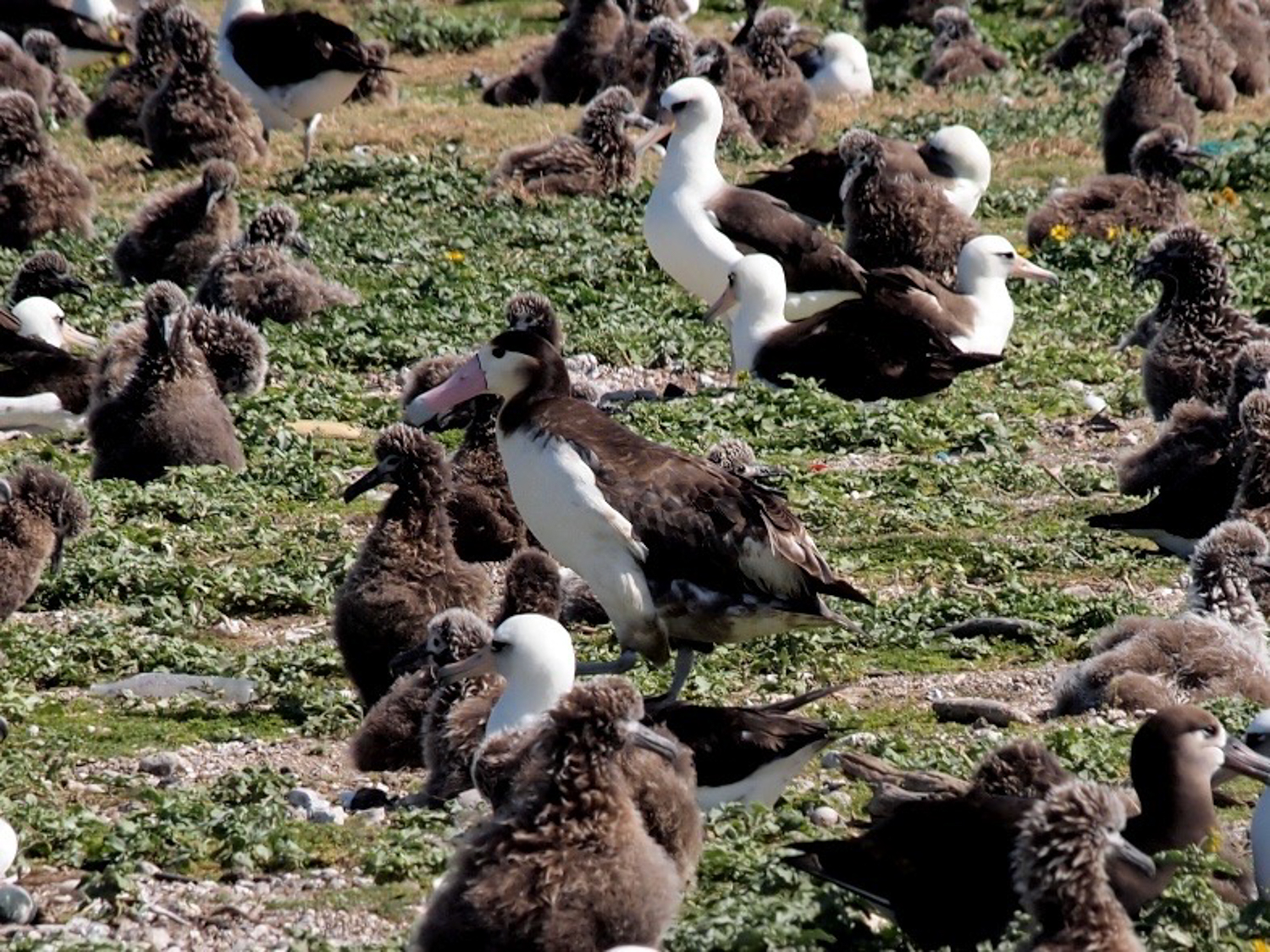
The island is now home to Laysan Duck; Laysan, Black-footed Brown and Red-footed Albatross; White, Grey-backed and Sooty Terns; the elusive Short-tailed Albatross, Great Frigatebirds and Christmas Shearwaters (only to name a few!).  With less of a human presence than Sand Island, Eastern Island has been the successful target of an ongoing fight against invasive plant species as well as habitat restoration for 2 endangered birds, the short tail albatross and the Laysan duck.

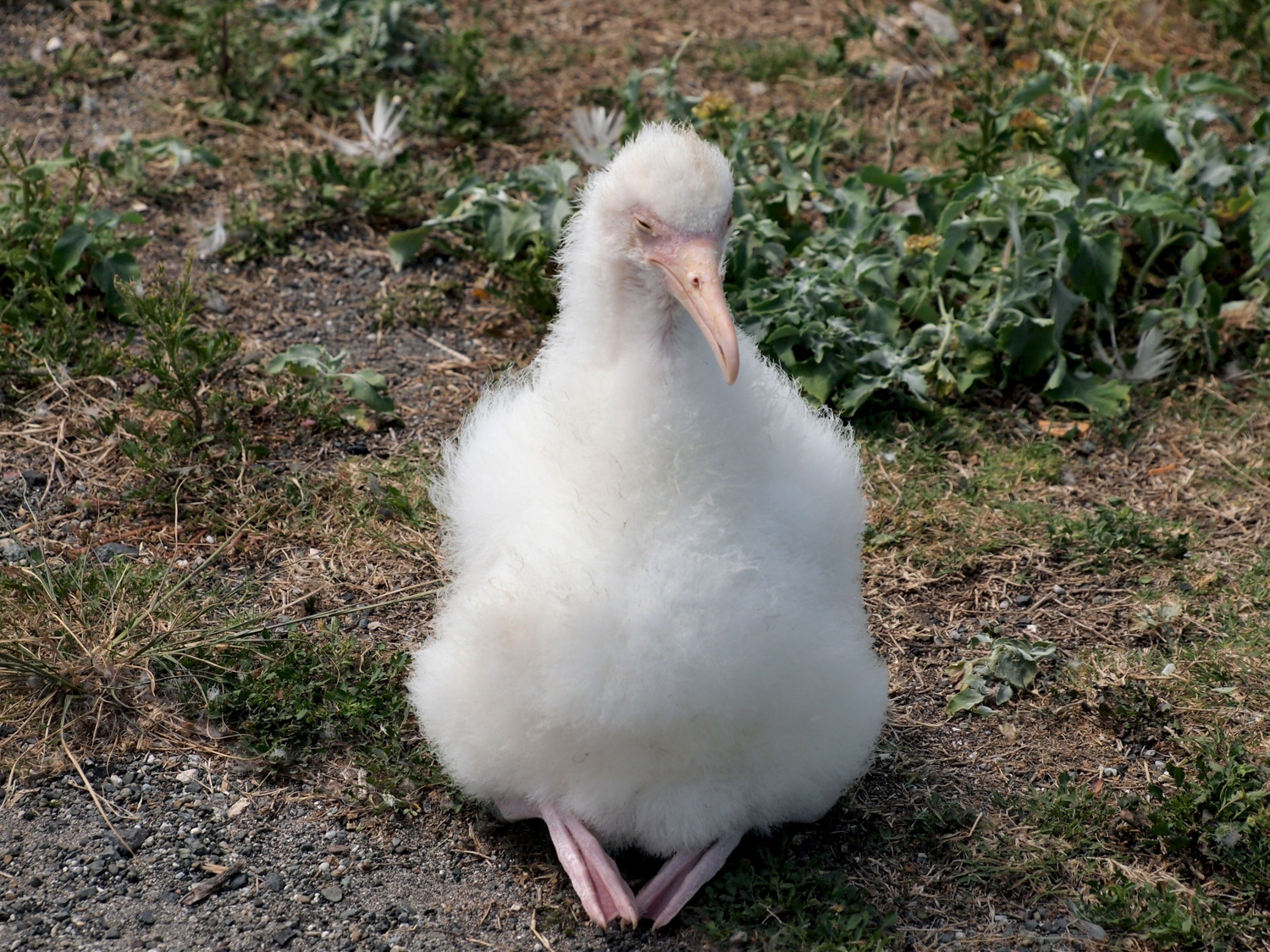
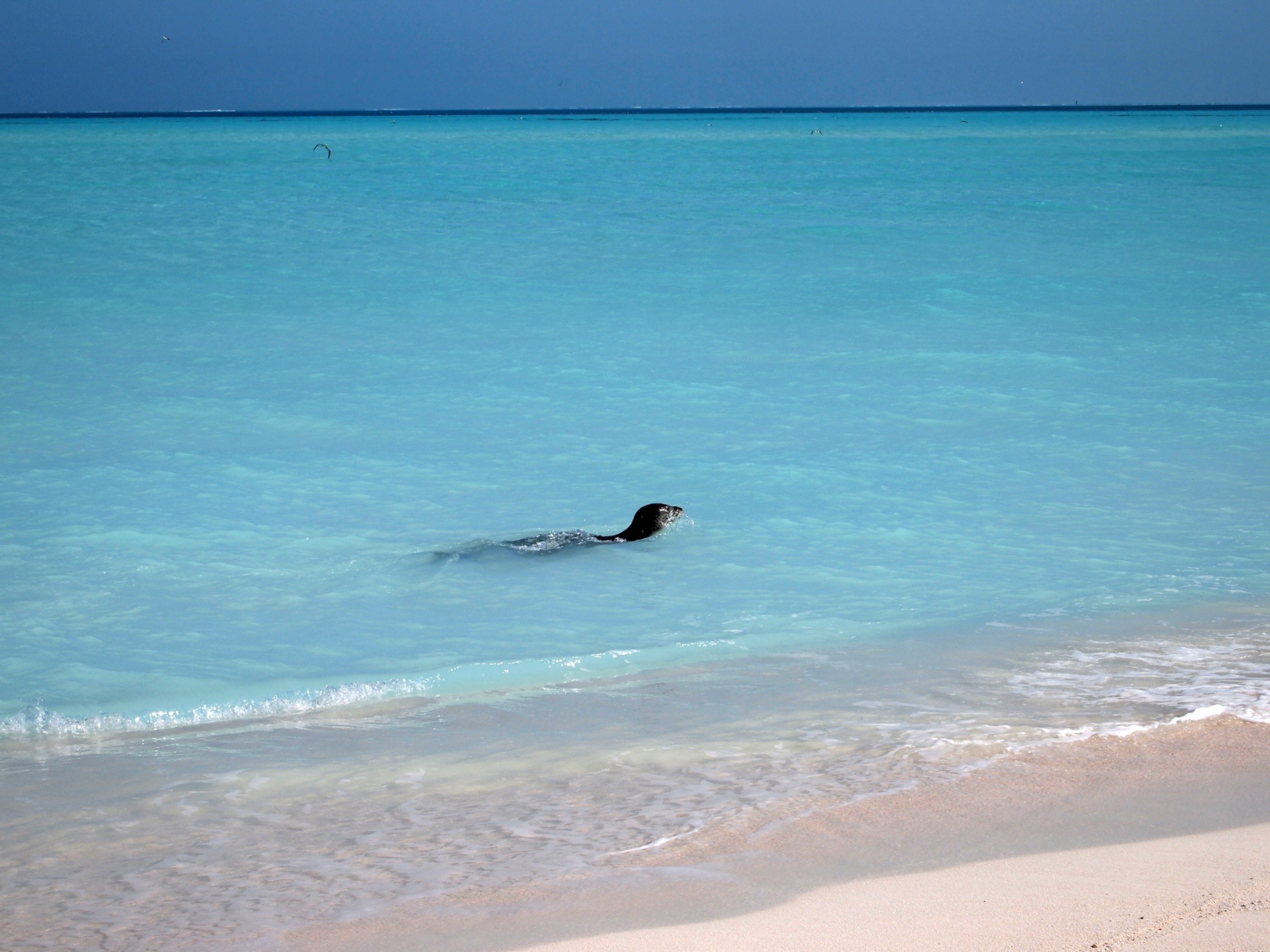
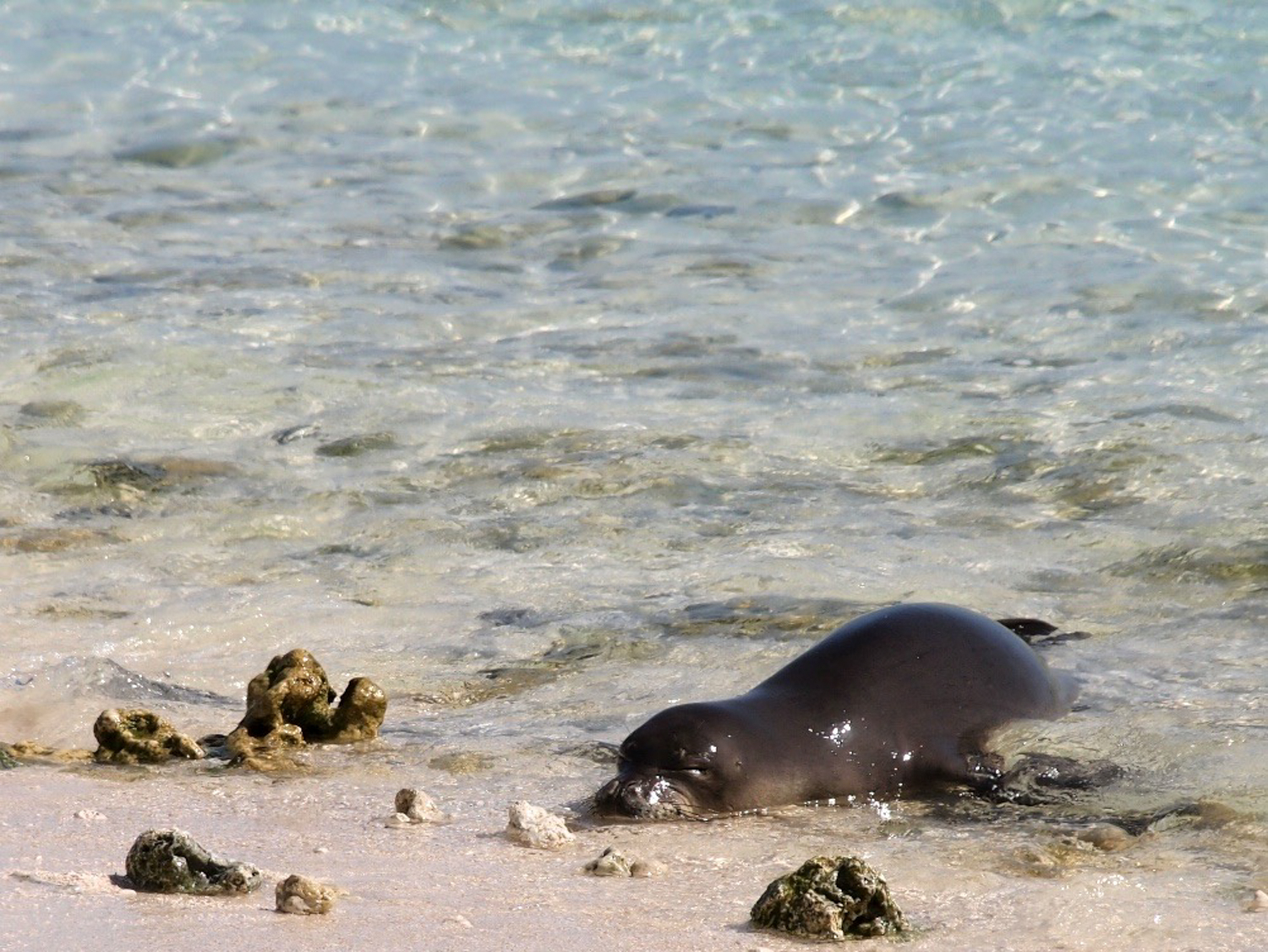
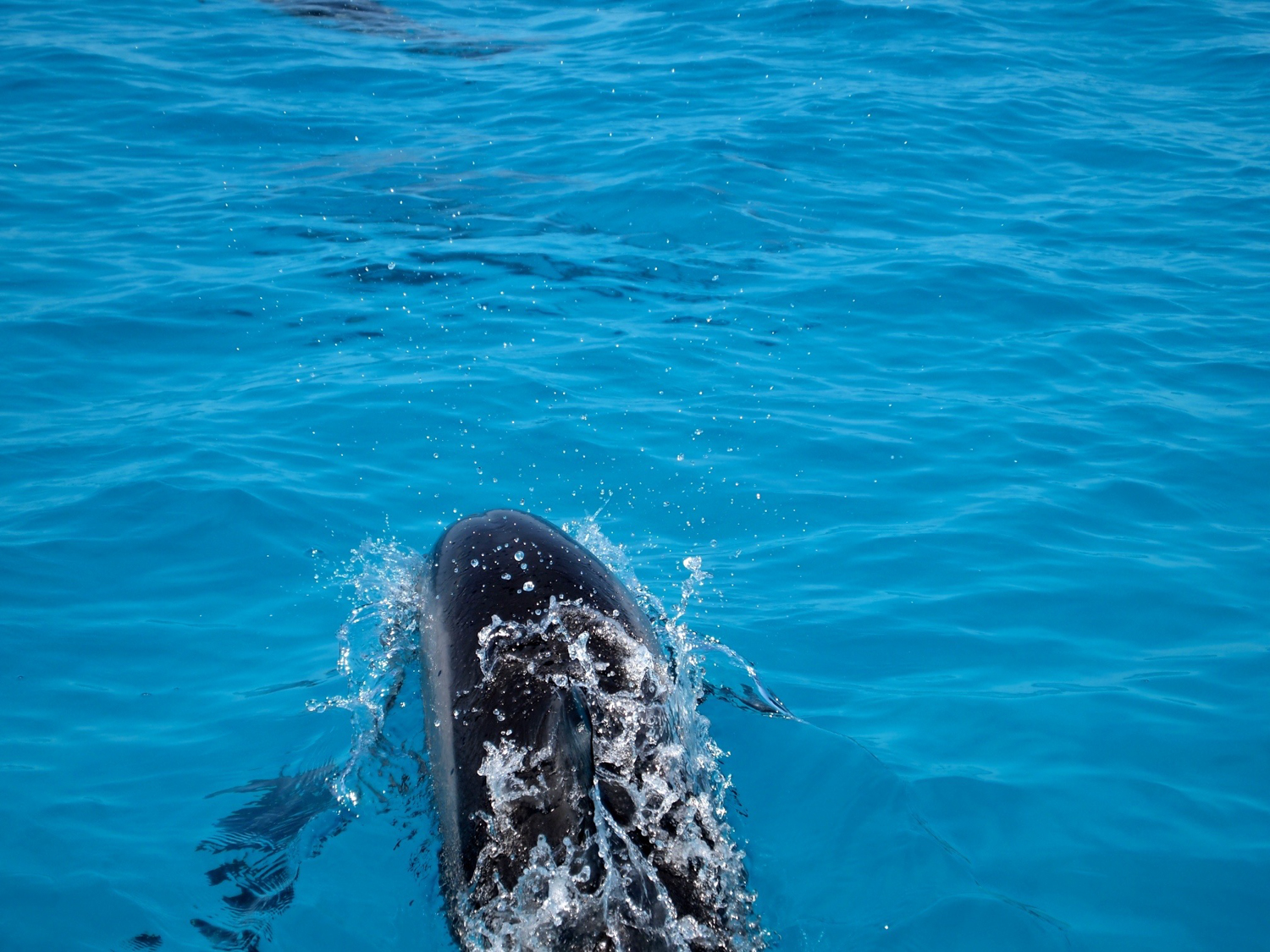
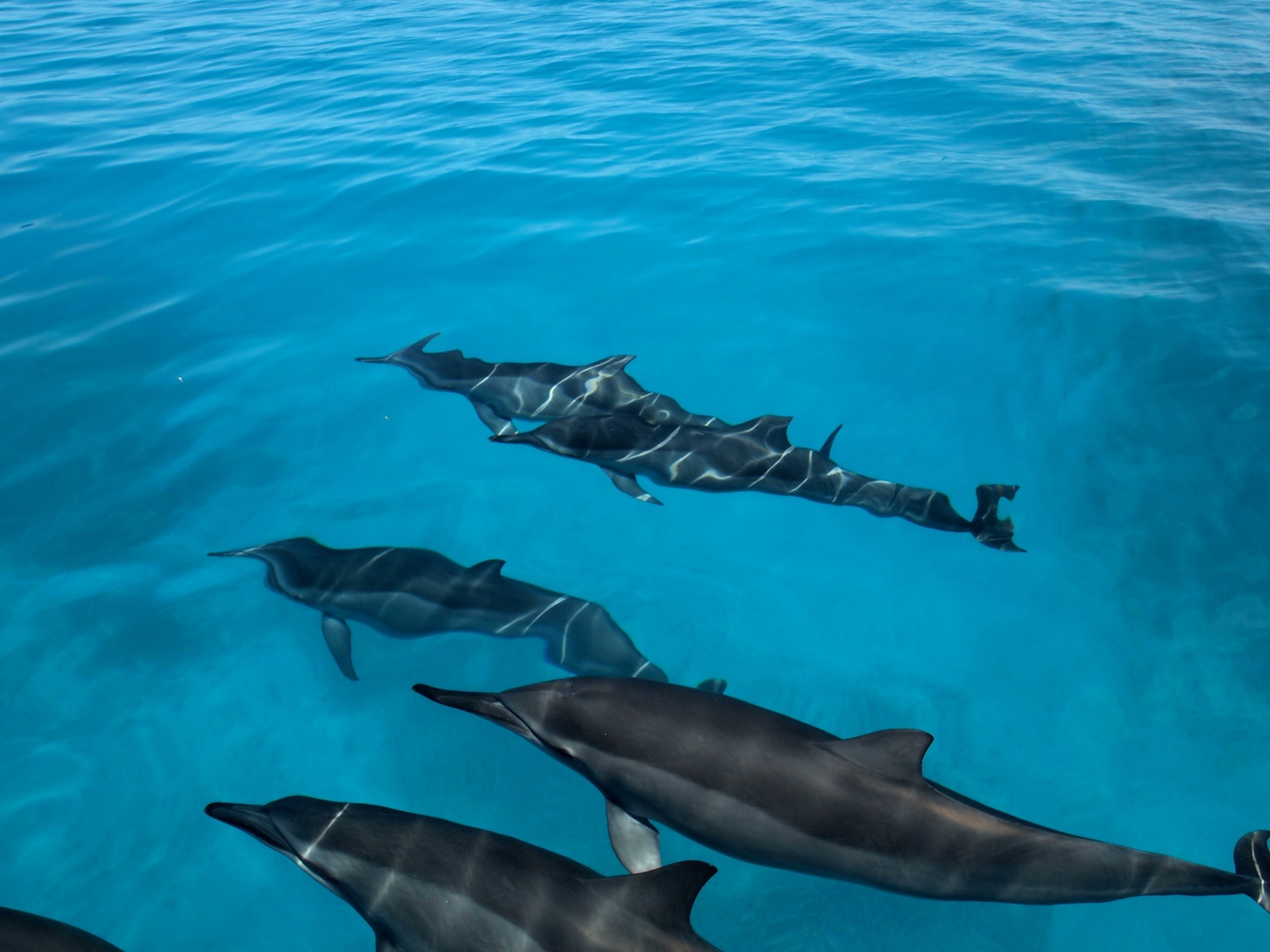
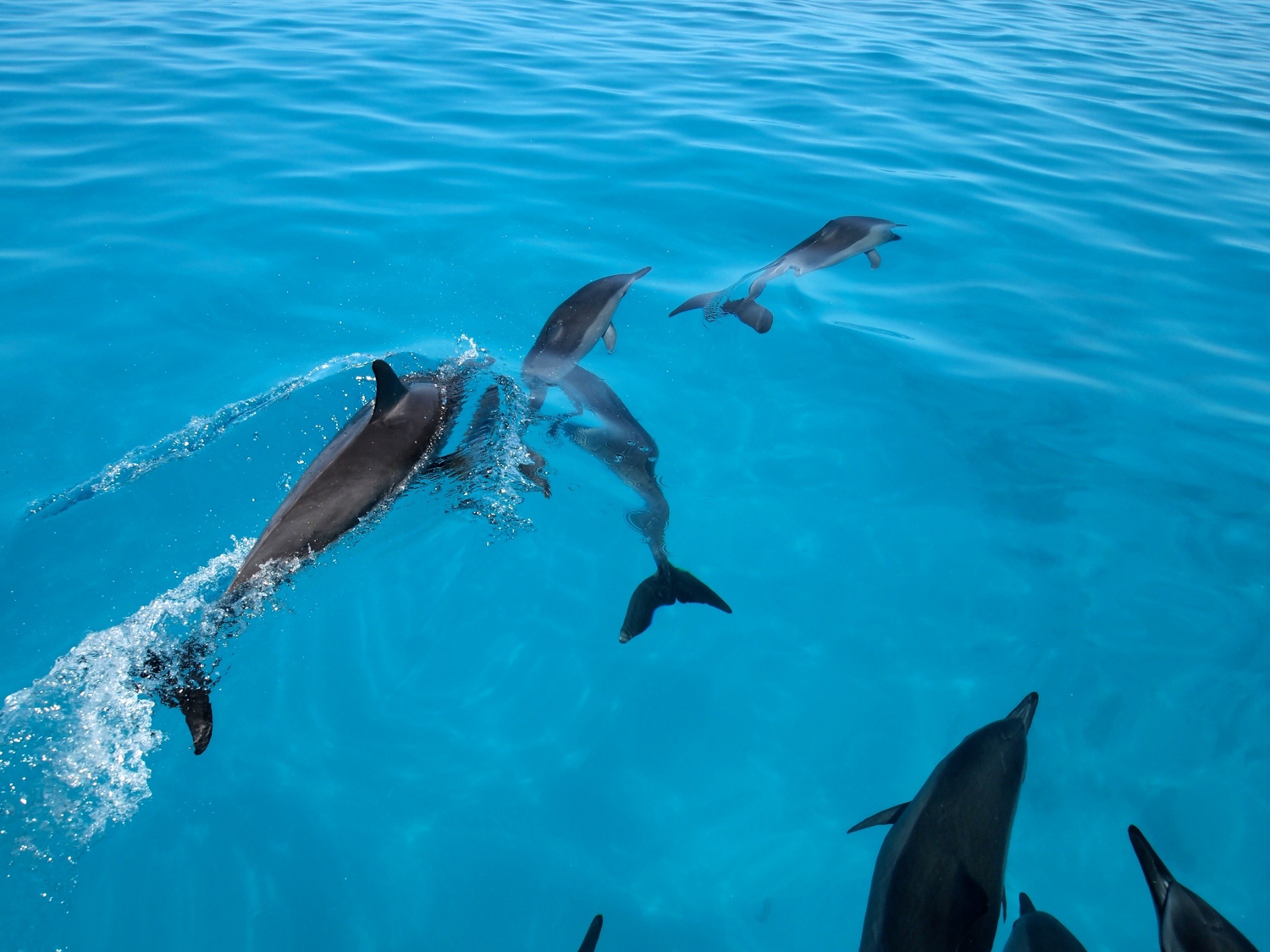
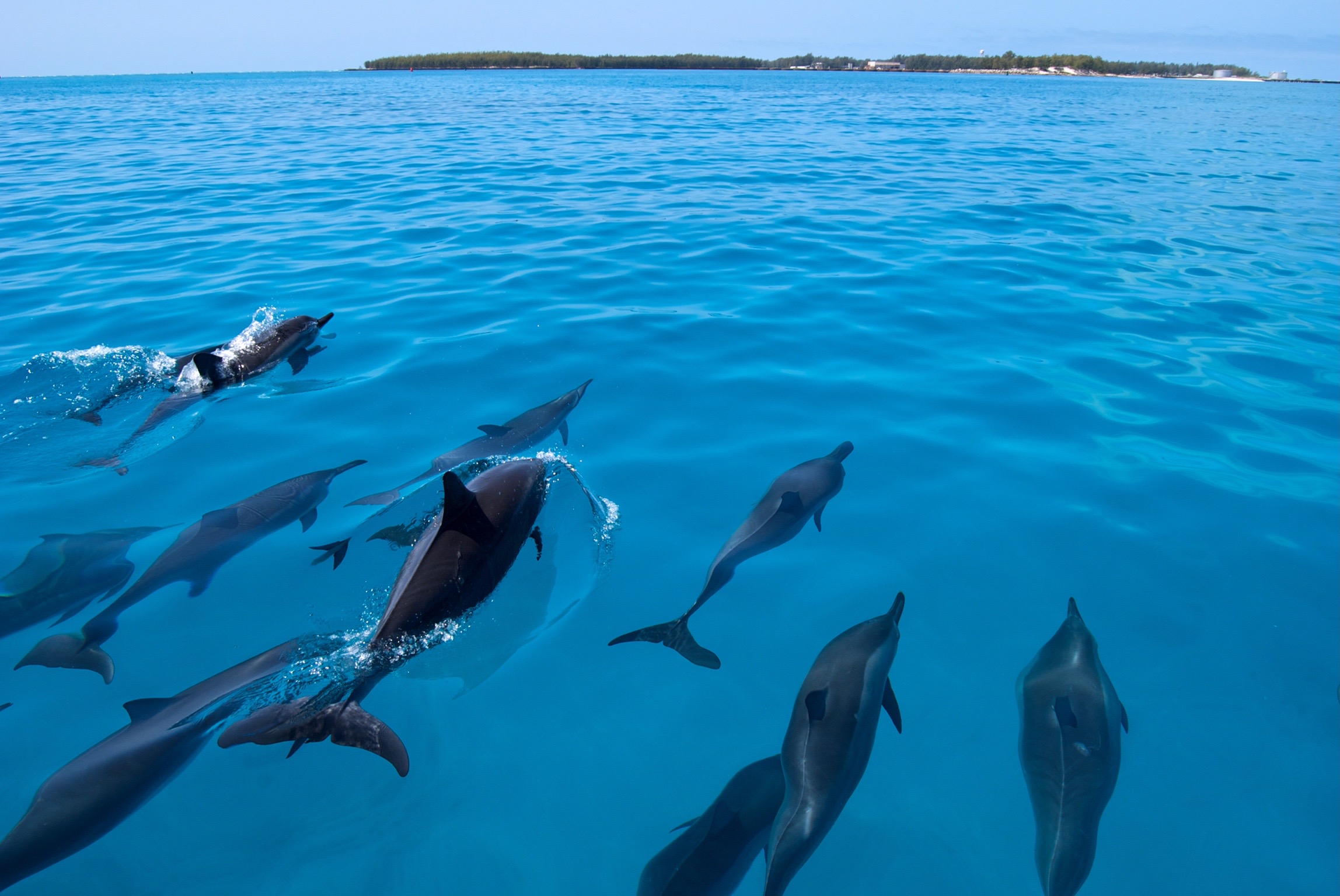
We walked around the island, cataloging birds with our cameras, finding a juvenile Short-tailed Albatross, a Christmas Shearwater, Red-footed Boobys, and a Monk Seal.  I managed to get a thorn lodged in my heel, which was not fun, but did not stop my progress.  We ended up the morning on the boat heading back to Sand island, being led into port by dolphins.  Completely wonderful!

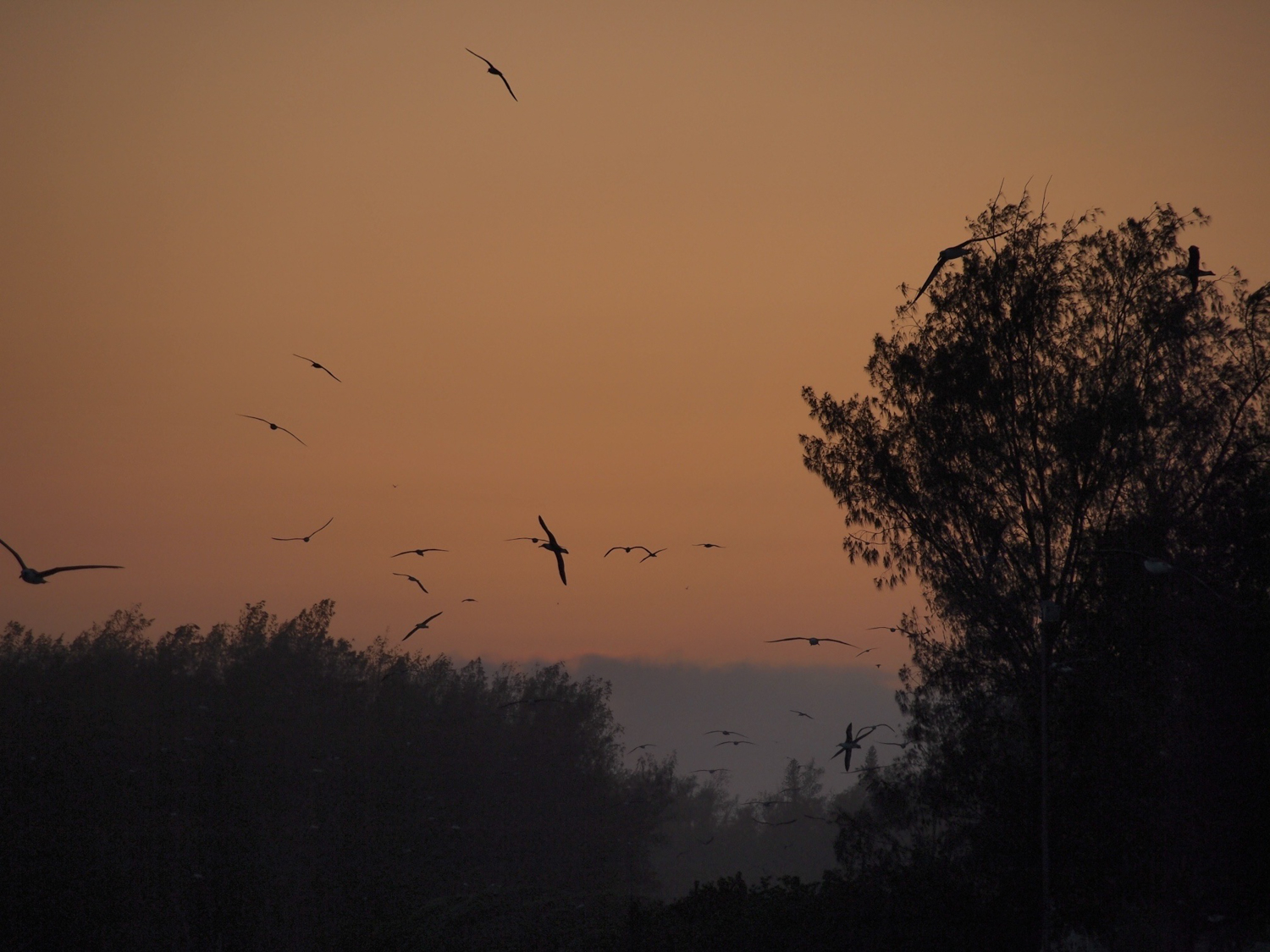
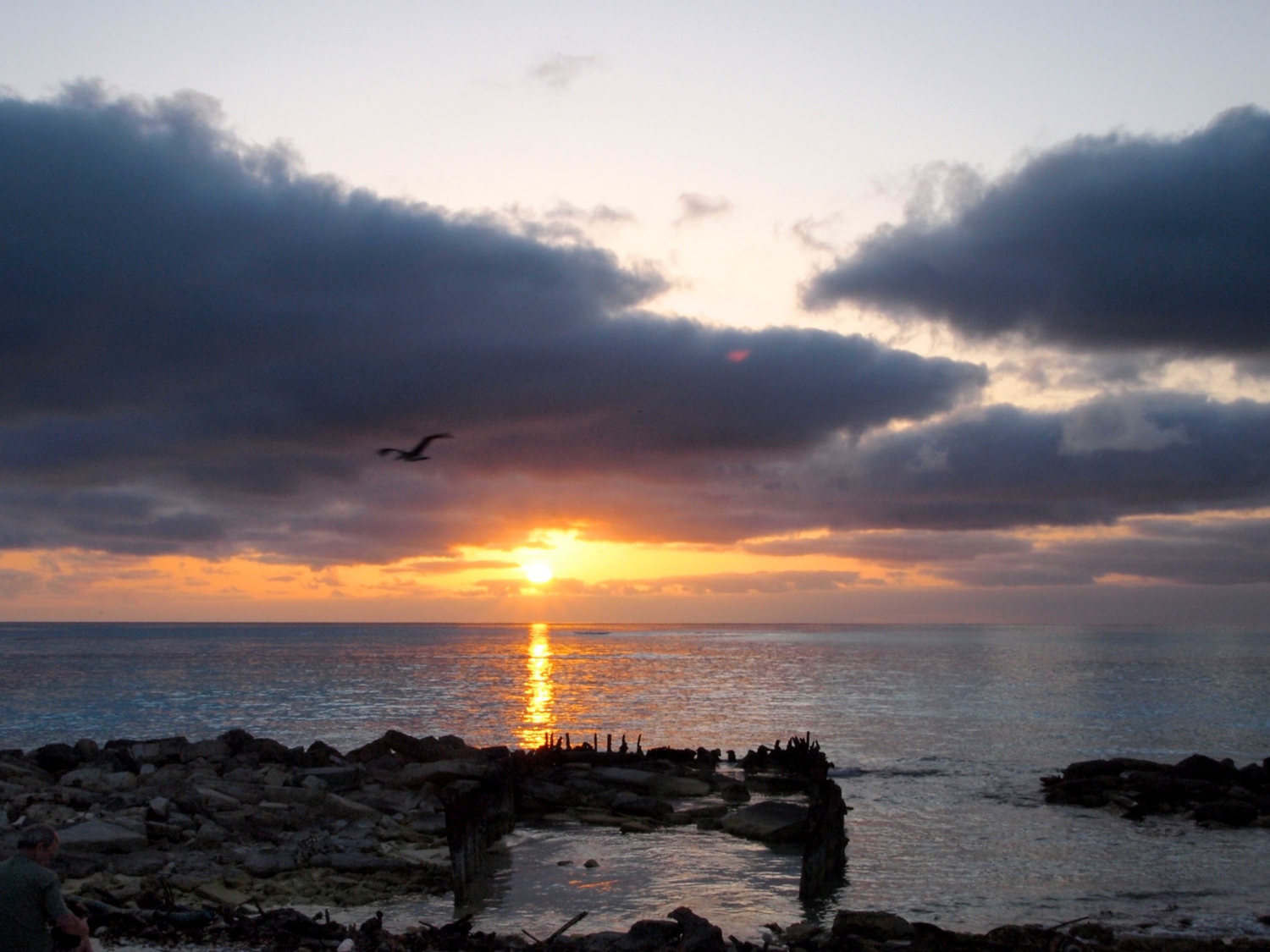
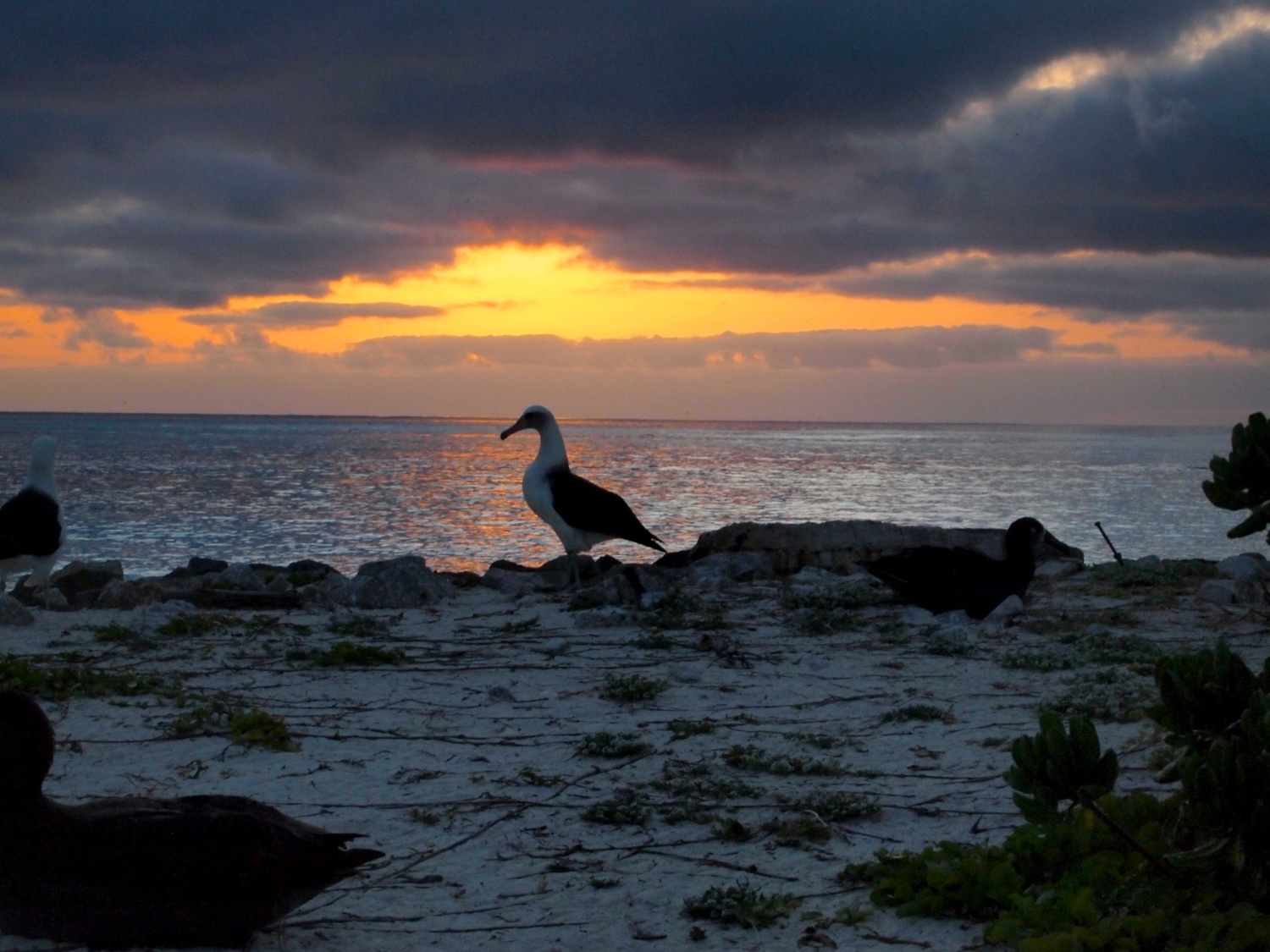
The afternoon was lazy, a simple bicycle ride to see the dolphins racing near sunset (they didn’t get their invitations, though), and some sunset Albatross photography.  Nice way to end a nice day.  Tomorrow it appears we will do a circle island tour one last time to catch any spots we may have missed.  Hopefully, the heel will clear up overnight.  What a day!

Verbesina eradication day

Nearly all of Midway’s seabirds nest on or in the ground - these include the Laysan Albatross, Short-tailed Albatross, Black-footed Albatross, White-tailed Tropicbird, Red-tailed Tropicbird, Christmas Shearwater, Gray-backed Tern, Sooted Tern, Masked Booby, Wedge-tailed Shearwater and Bonin Petril.  The verbesina (aka Golden Crownbeard) prevents the birds from building nests in existing stands (even if they had nested there prior to the growth); it reproduces rapidly and winds around existing nest sites, preventing parents from feeding the chicks, and trapping the chicks in place once they are fledglings leading to their starvation; and houses aphids, insects and ants that can transmit viruses to native plants, killing them off.  Adding to that, the verbesina also stops the flow of the wind, raising the surrounding temperatures, causing dehydration in the chicks.

So, we set to work this morning clearing a path 1/4 mile long by 5 feet wide.  A lot of work, but all our hands working together made about 2 hours work of it.  We also planted native dune grass in man-built mini-dunes, which we hope will continue to grow and spread across the beach.  A very rewarding morning.

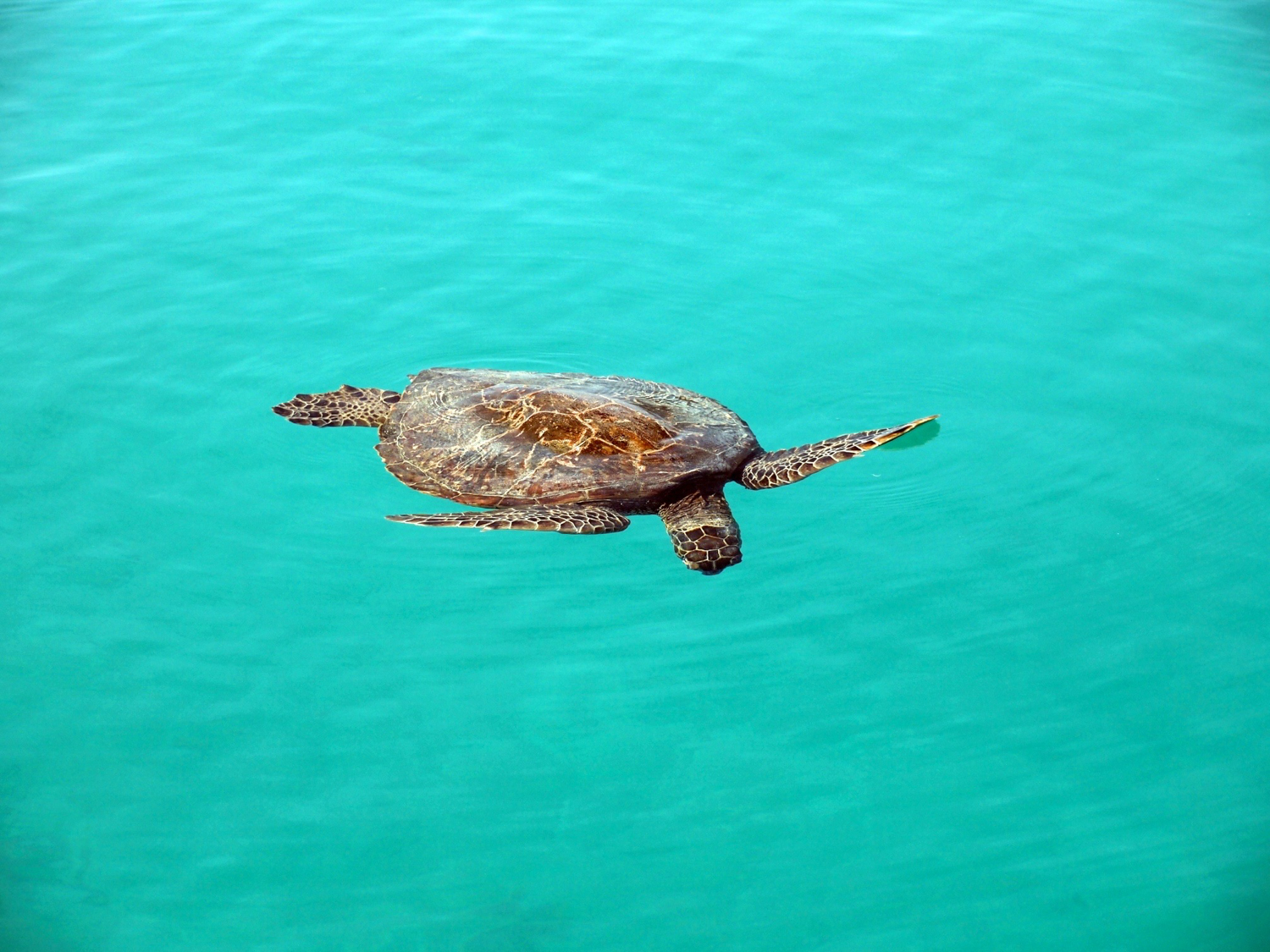
The afternoon was reward time!  We headed to the outer reef, where we snorkeled for an hour (freezing cold water, let me tell you!).  We saw brilliant Christmas wrasses, cigar wrasses, bluefin trevally, a turtle, butterflyfish, and goatfish.  Everything seemed to be at least double the size of the fish on O’ahu.  It was crystal clear water, and the coral was healthy, even thriving.

Upon our return, we rinsed gear, showered, bicycled to the gift store (which is only open on request if the couple that runs it is on the island.  Thankfully, they were here.  Didn’t get much, as there isn’t much, but avoided the regurgitated plastic necklaces...:)  Sorry Lori, no mermaids, but we’ll keep looking...

Tomorrow is Eastern Island, where we should see monk seals, brown boobies, and a host of other Northern Hawaiian Island tropic birds.  Plus, I may give my talk, so I’ll be prepping that tonight.

Rusty Bucket - not quite as bad as it sounds

I woke up this morning and no longer could smell the bird sanctuary.  Something tells me this is a version of Lilliput’s Travels, and I am going to need to really wash my clothes...

The morning started late - 6 am!  We crashed last night at about 10 pm, and slept the full 8 hours.  Definitely not our normal sleep pattern, but the lights out policy here has our bodies following our circadian rhythms much more closely than at home.  We didn’t even get on the internet last night, and I sent out the daily note this morning!

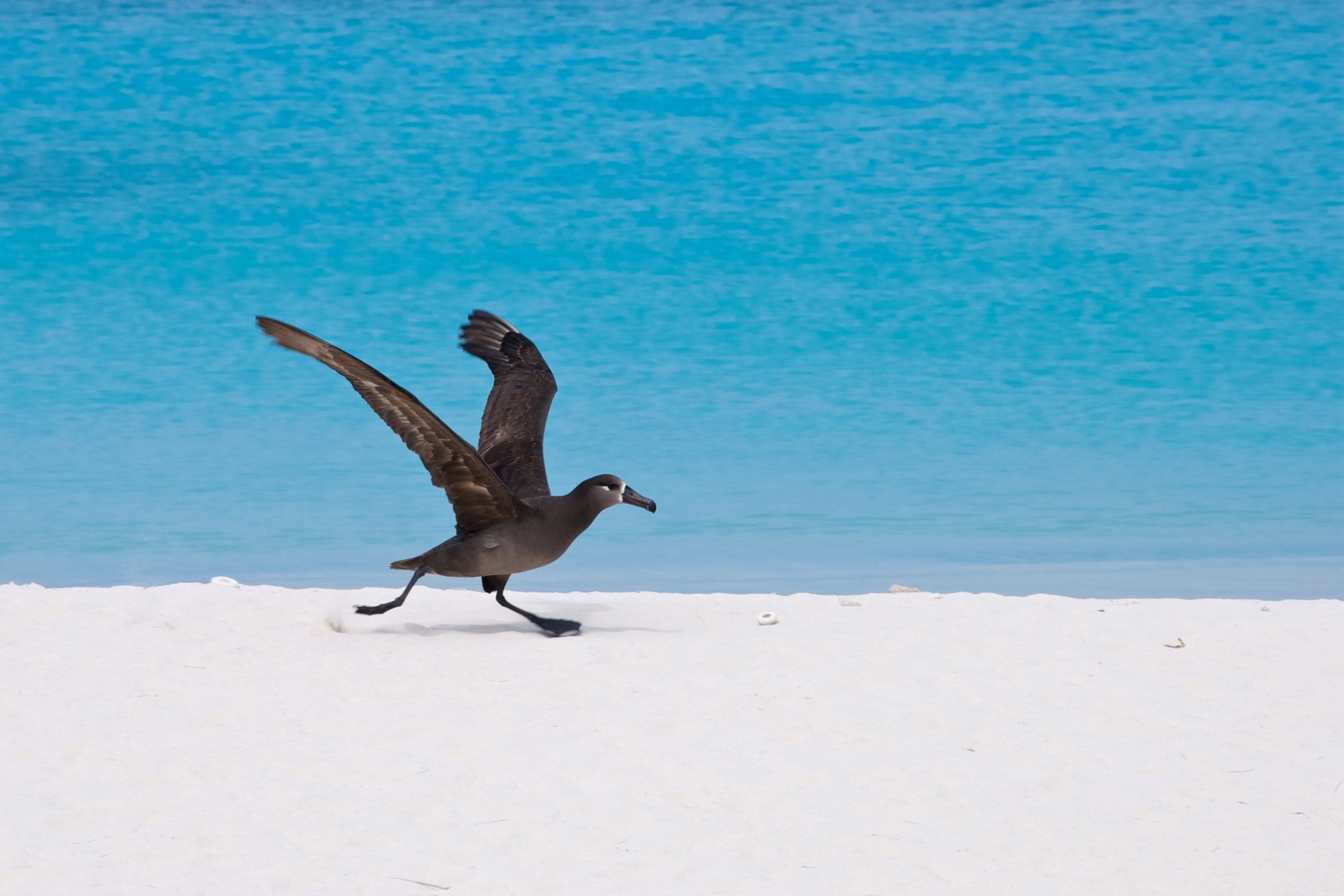
We started out at a bit past 9 with our group and headed to Rusty Bucket.  It didn’t take long - nothing does on the island - and we came to a beach covered in rusty metal.  In the shallows was the bottom frame of a ship, in which juvenile goat fish and two Christmas wrasses were swimming.  Lots of metal on the beach, thus the name.  There were a large number of brown footed albatross flying about, along with terns.  Wonderful sights, swooping back and forth.  A little further back towards the runway was a walking trail, and down the beach, a monk seal.  At least one a day has been our record.

From Rusty Bucket, we headed down across the flight line and up the Waldron South Beach Trail.  Wayne, our naturalist, pointed out the entry to Bulky Dump and other observation points (to include a pillbox),  and then took the time to show us two dead baby goonies, and the contents of their stomachs, which is what killed them.  Plastics, both string and in broken bits, filling their hungry tummies and providing no nutrition or water.  Enough to make a girl cry.  When you think of the pollution that we create through plastics and non-recyclable materials, and how it impacts the environment, you can only want to make the world filled with better people.  How?  That’s got to be my next project.

Lunchtime, followed by a brief siesta (simply to avoid the harsh midday sun, naturally), and then Wayne and I were off on our own.

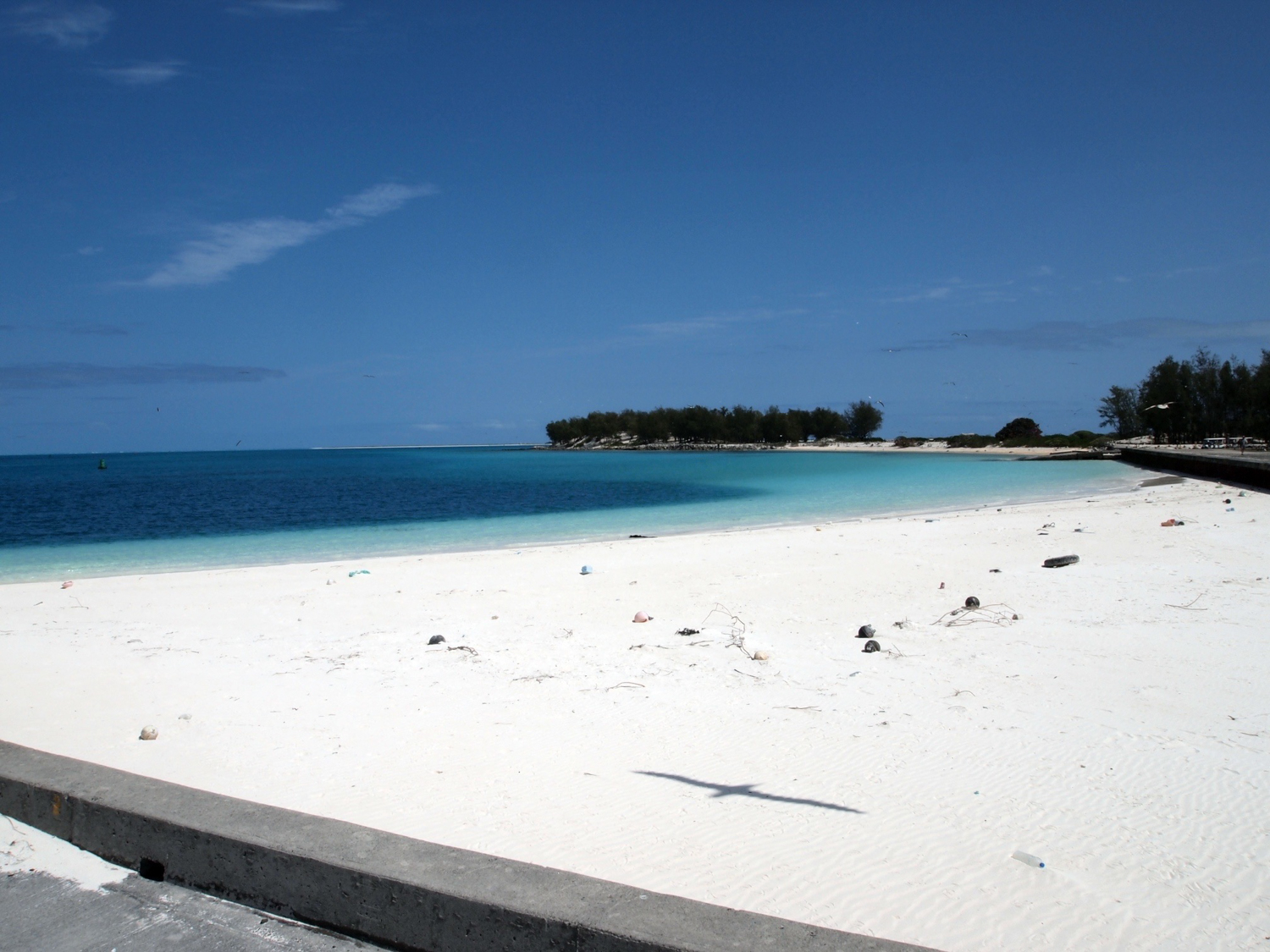
We headed towards the hiking path near Rusty Bucket, and took the trail.  We got closeup (well, if you call a football field close) shots of our monk seal from earlier, and some nice overhead tern shots.  Then back to the bikes, and off again.  We toured around the runway, and stopped just past Frigate Point at an observation point.  There we walked out and looked at the beach, not much to see other than pristine water.  Very nice indeed.  Then back to the bikes and off to the next vantage point, where there was a WW II pill box, fairly intact.  It has a wonderful view of the lagoon, unfortunately is very exposed.  Still, in very good shape.  The last part of the ride along the runway took us to Bulky Dump, where we walked out and watched hundreds of birds flying overhead.  And over the runway.  Truly amazing.

From there, off to the Fish and Wildlife Park office to see some historical items, over to the airstrip to take some pictures of the former welcoming area, and then to the Goony Bird statue.  The rest of the night will be dinner, blogging, and relaxing as we get ready to clean up trash, pull out invasive plants, and hopefully snorkel on the outer reef.  In the cold.

I’ll need sleep for that!

Midway on Wednesday

Up early to try to catch the fog, and peeking albatross heads, with no luck, but a pleasant day all around.

Wayne and I started out on our rental bicycles and pedaled back to the War Memorial and the docks. The sheer number of albatross on this island is amazing.  The memorial itself is kept remarkably clean of goony poop, with twice daily hosings  We were up early enough and on our bikes so that the initial cleaning hadn’t been done here yet.  We came back a little bit before the group met up, transferred over our photos to our MacBooks, charged up our iPhones (we are only using them for the GPS tracks to add into our photos), and checked email.  Surprisingly, we are getting connectivity for free; however, the lines are via satellite, so slow and expensive for the Fish and Wildlife operation.

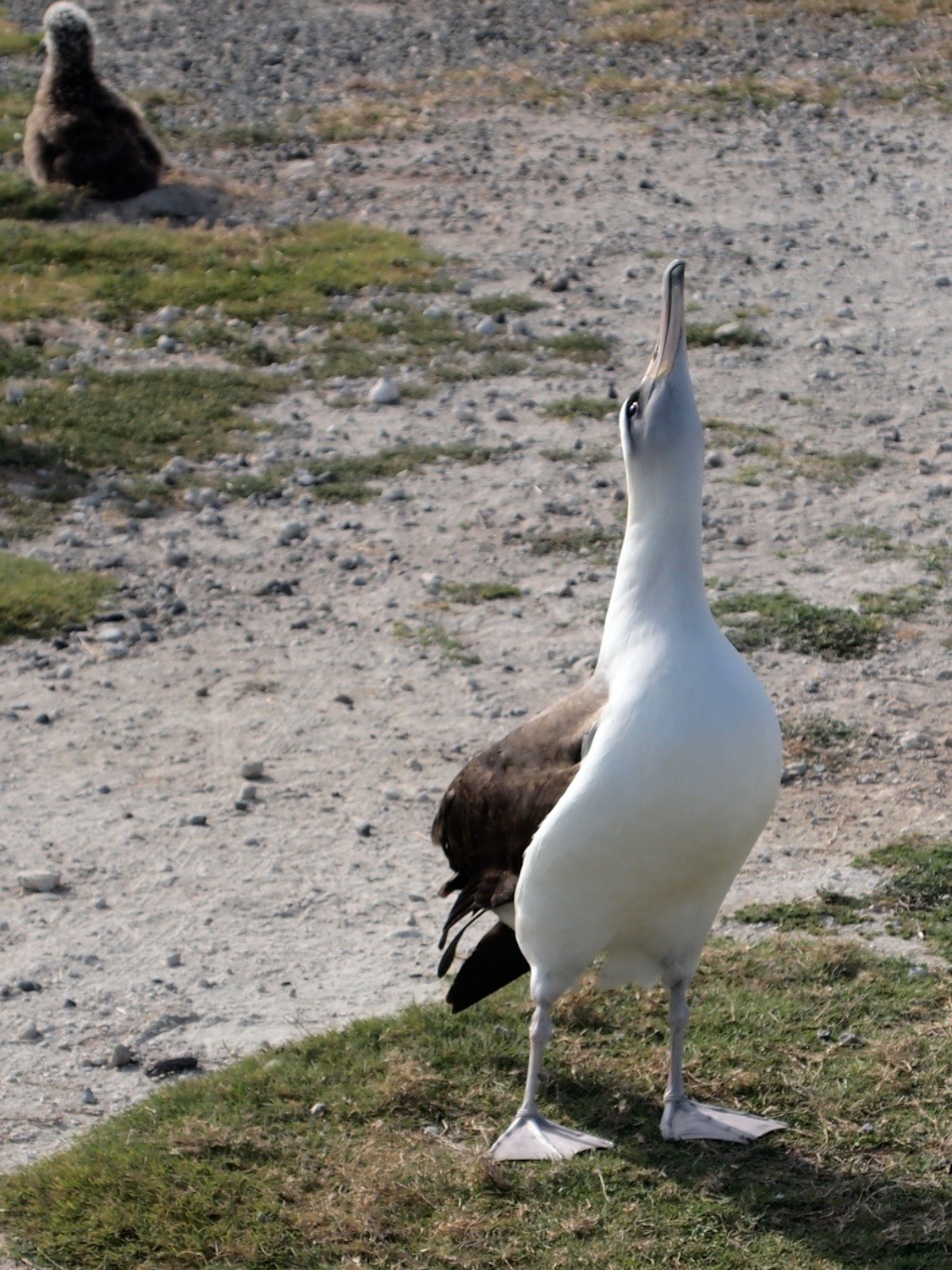
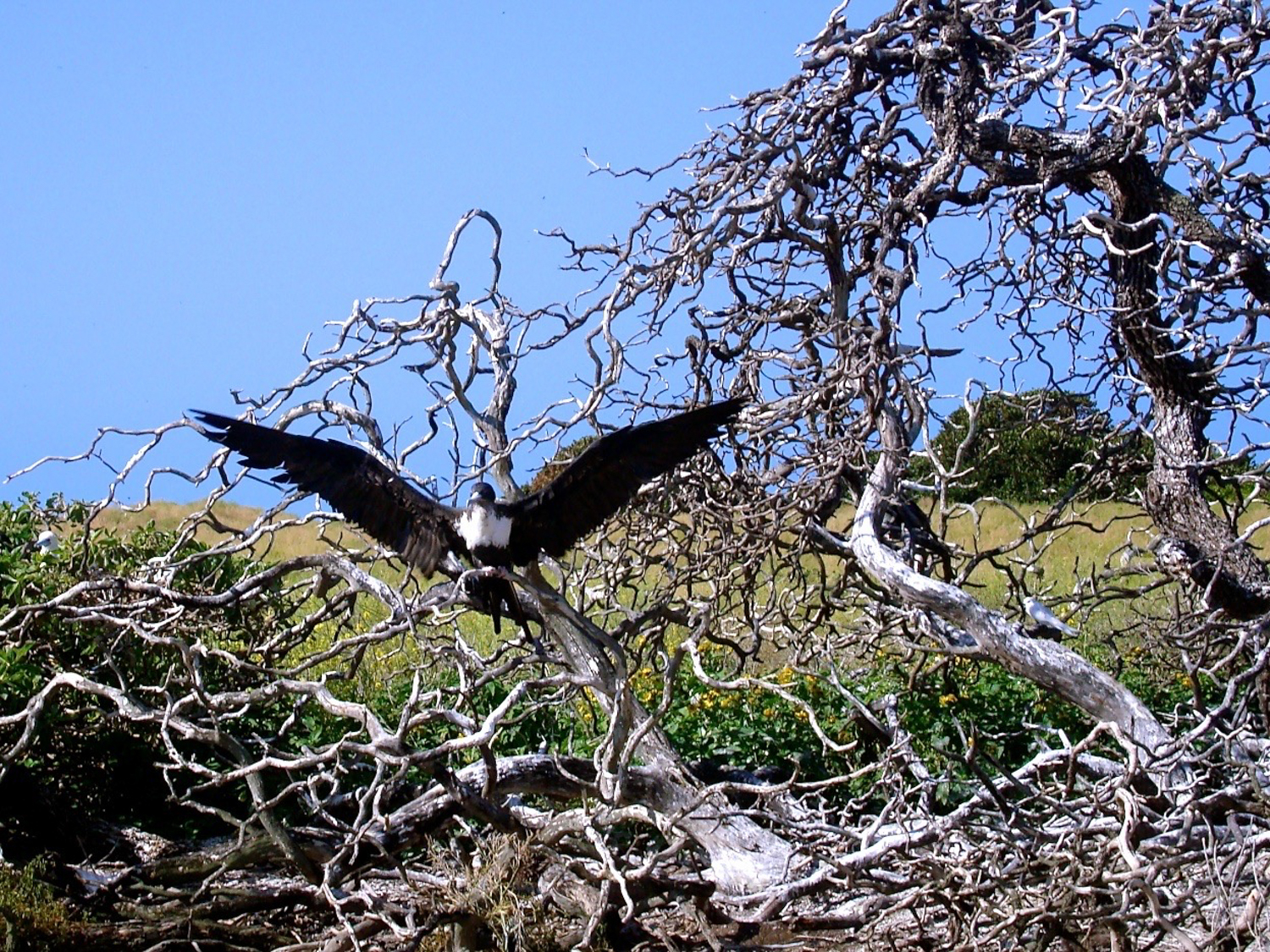
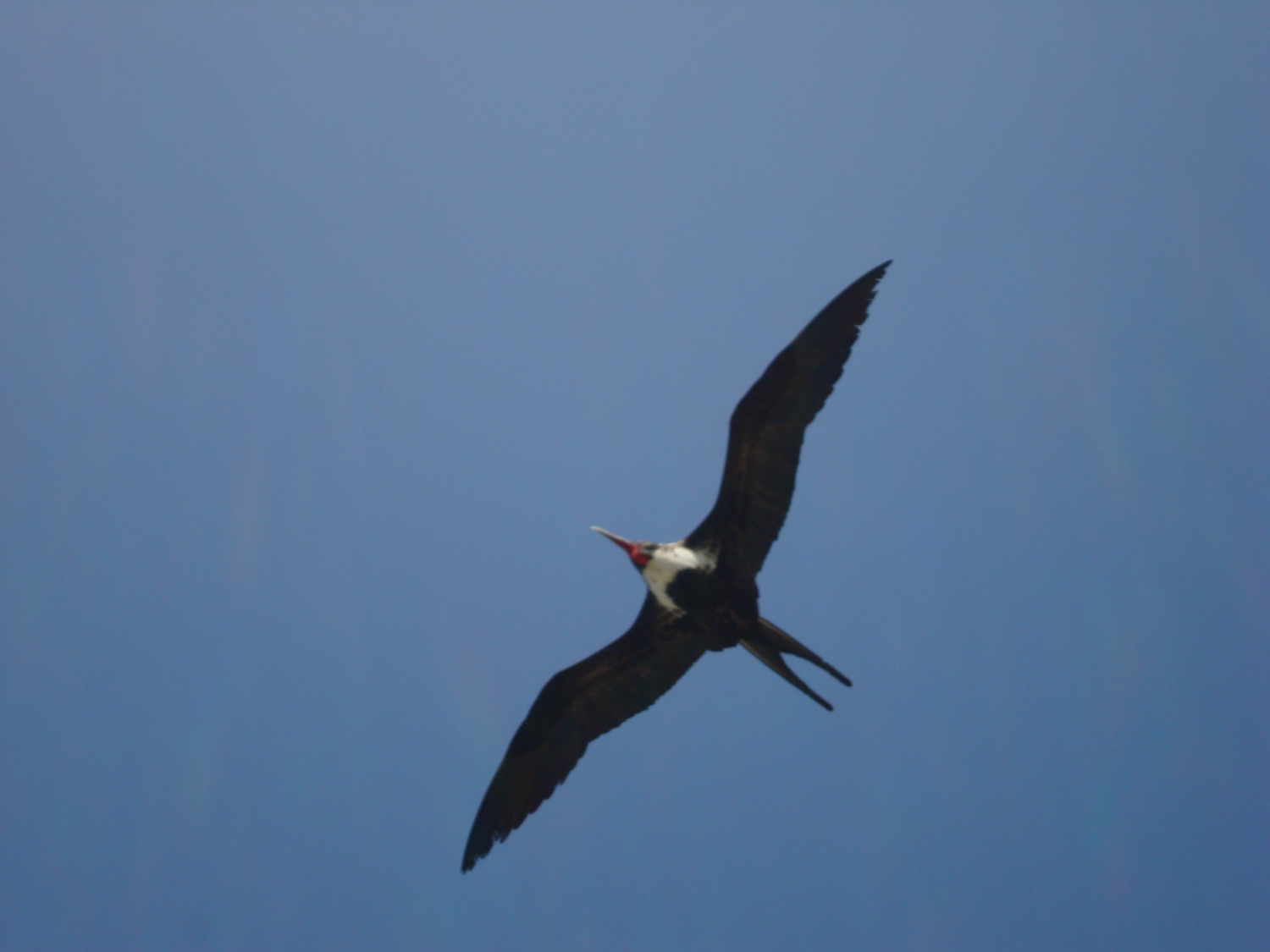
After that, the group went up to the water collection tanks (there are three to support the island, in addition to the natural aquifer) to see a man made lake for the highly endangered Laysan ducks -- there were 7 ducks, but we had to stay 100 feet away.  We may get lucky in the next night or two, though, as there appears to be a mating pair that sleeps near Midway House, which is literally a stone’s throw away from Charlie Barracks. Then we went up to Frigate Point, where we saw nesting frigate birds and brown albatross doing mating dancing, getting great photos and videos. Then our cart limos took us up to the West Beach entry path, where there was a munitions bunker and hundreds of albatross with a beautiful white sand beach.  The goonies there looked to be the healthiest on the island, likely because the foliage is most like the original native habitat, not overtaken by imported plants and pests. After our lunch, we headed back to the pier to spend the afternoon snorkeling in the COLDEST water I have ever felt.  Lots of turtles, jacks, goat fish, a few eels (can I go anywhere without finding those?) and other critters to look up.  Nice, but cold.  At the end, we saw about 15 turtles on Turtle Beach, and took photos.

Our lecture was on the Hawaiian Monk Seal, also endangered. Like the albatross, the monk seals come here for mating and giving birth. The female, typically quite larger than the male, climbs out of water to give birth to her offspring and to nurse it.  The pregnant female monk seal can weigh up to 800 pounds (compared to an adult male at 350), and the majority of the extra weight is to wean the pup.  Once weaned, the pup is left on its own as the mother gets ready to go back into estrus (constant pregnancy, yuk). If the pup survives into adulthood, there is the possibility of him/her living for over 50 years, and they keep returning to their birth island annually.  Unfortunately, the “weanies” seem to be dying off here at 2-3 years of age, apparently starving to death. There is a 5% population decrease annually up here due to tiger sharks and human disturbances (fishing line, floating nets(, hopefully countered by growth on the main islands. There is a school of thought, though, that thinks they will be extinct in the next 50-60 years.  :( This was followed by a presentation from a divemaster from Jack’s Diving Locker in Kona - Pelagic Magic.  Wonderful video!  Although the thought of hanging at 40 feet of water with a bottom of over 1000 feet is a little intimidating, it looks like it might be worth it.

Side note - let me tell you about the food here.  With the closing down of the Navy base and tourism, the old dining facility was abandoned, and the little French restaurant became a buffet where you eat all three meals.  The chefs are all from Thailand, and the meals are a mixture of Thai and US dishes.  I’m eating up the Thai food for sure, and it’s wonderful. 

I may have a chance to give a talk about the Sanctuary Ocean Counts this weekend, we shall see.  Loving this trip!